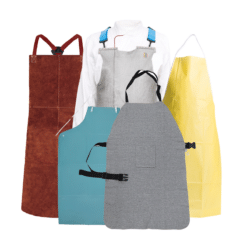
Aprons
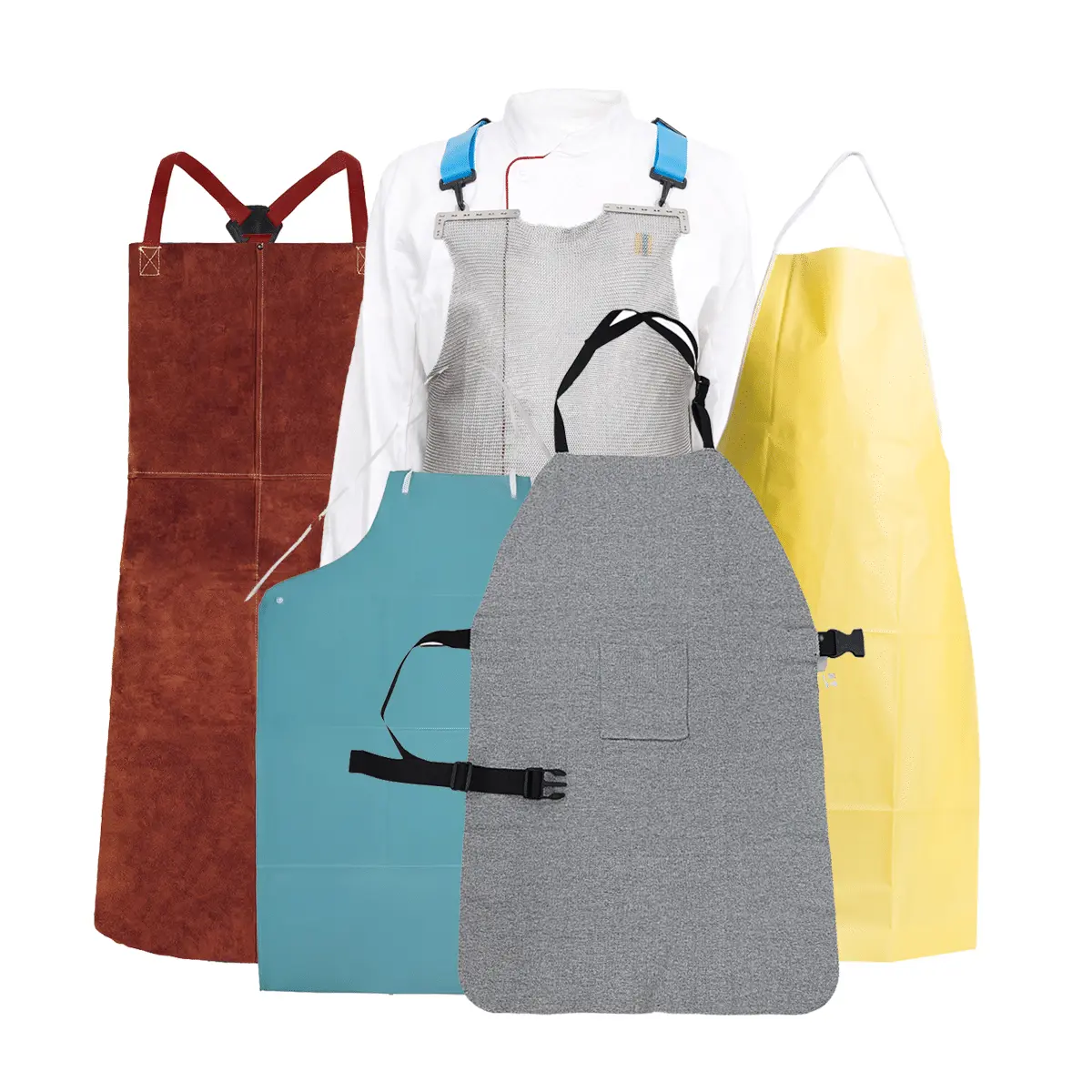
Additional frontal protection for splash, dirt, food handling and selected workshop processes.
Body protection for chemical handling, heat and flame exposure, electrical work, low-visibility areas, wet weather, cold environments and everyday industrial tasks across Singapore.
Different hazards require different garment materials, coverage and performance. Start with the workplace risk assessment and task requirements rather than garment appearance alone.
Additional frontal protection for splash, dirt, food handling and selected workshop processes.
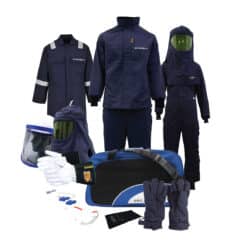
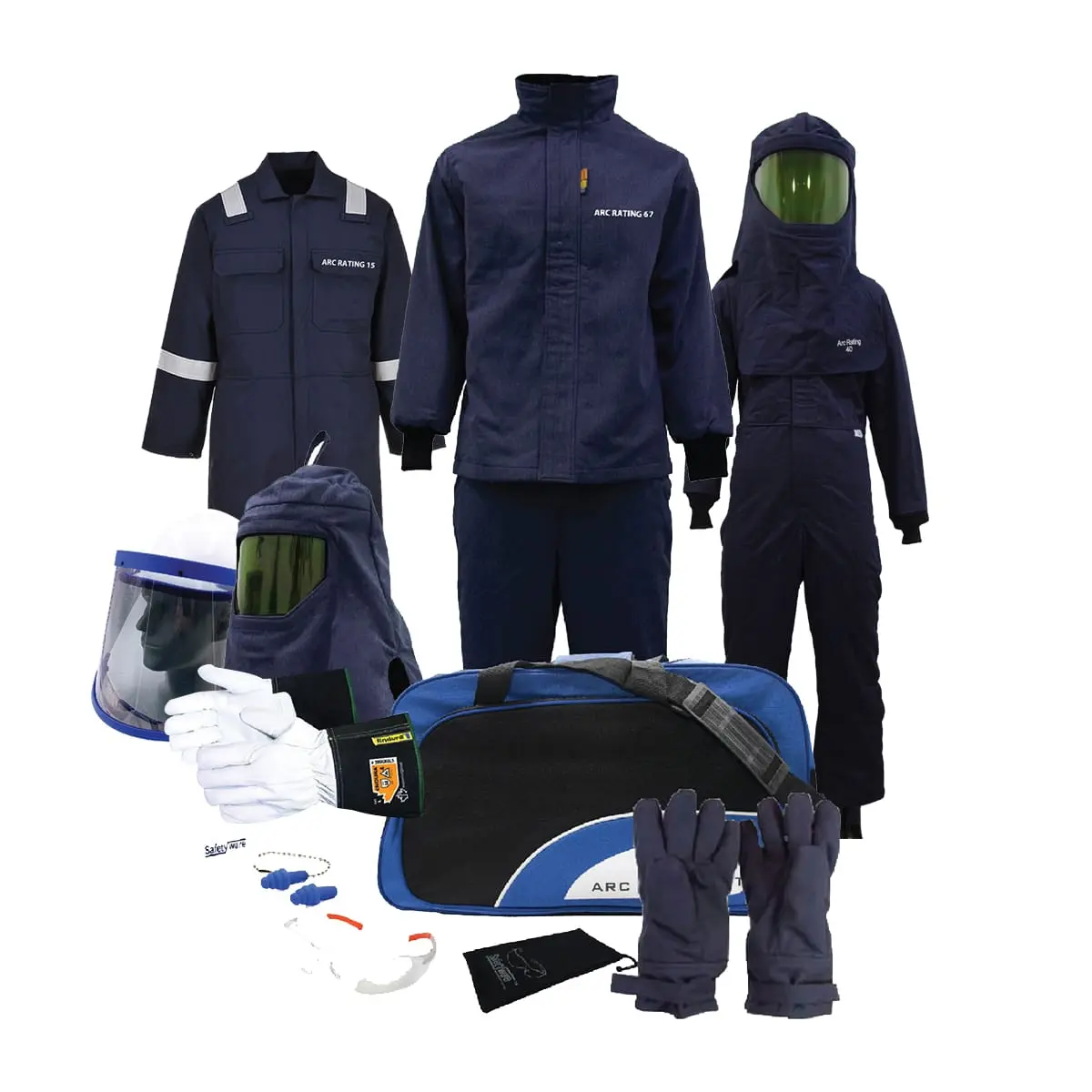
Task-specific clothing and ensembles for assessed electrical arc hazards.
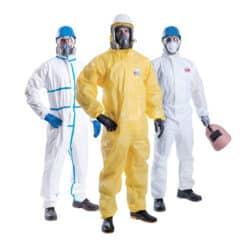
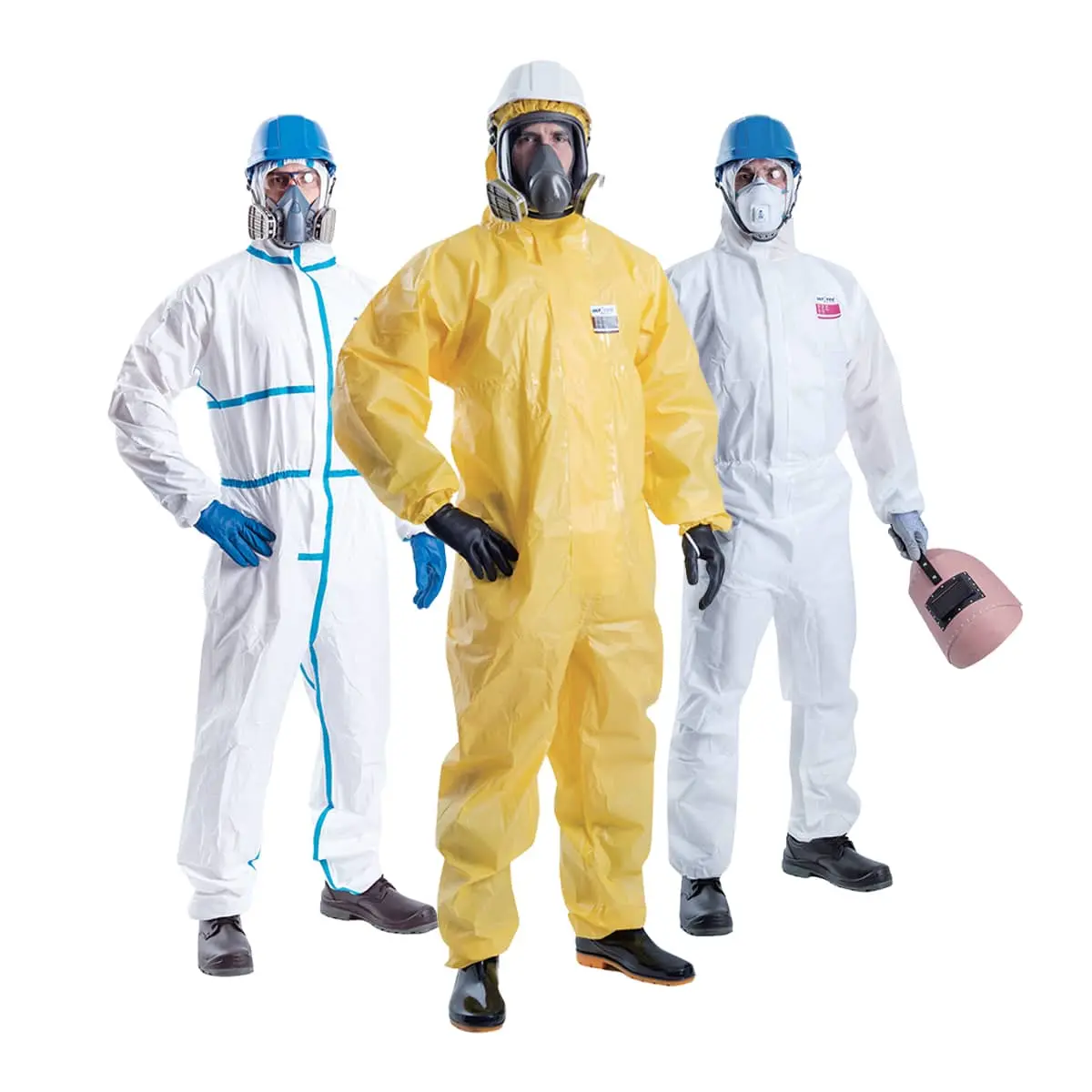
Coveralls and garments selected for the chemical, concentration and exposure scenario.
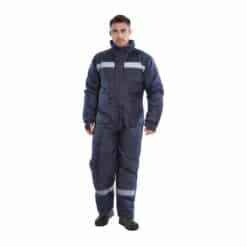
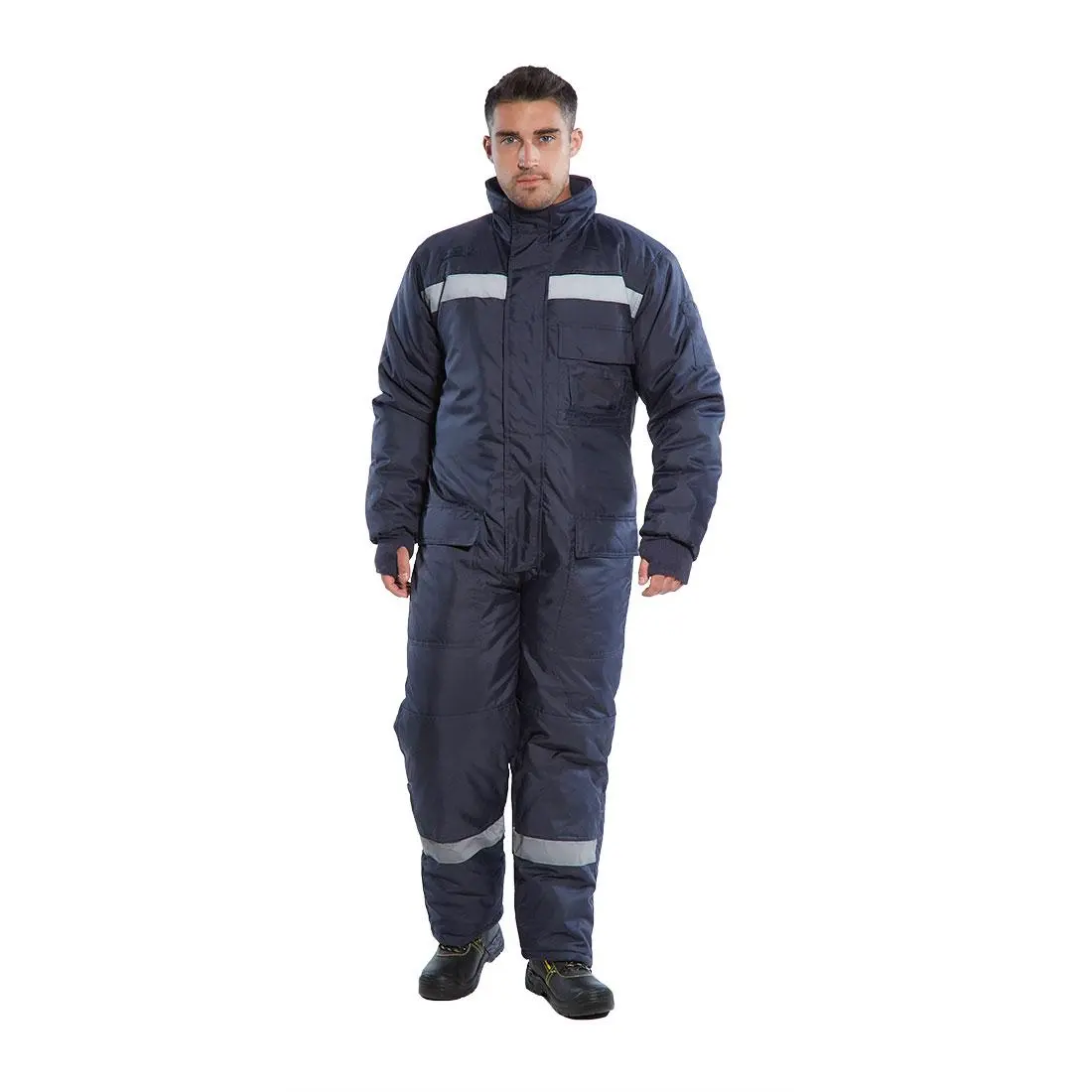
Insulated workwear for cold rooms, refrigerated areas and low-temperature tasks.

Specialist protective ensembles intended for trained emergency-response personnel.
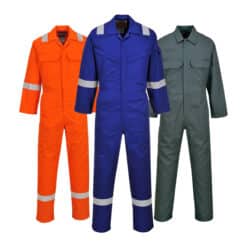
Protective apparel for assessed radiant heat, flame, sparks and hot-work exposure.
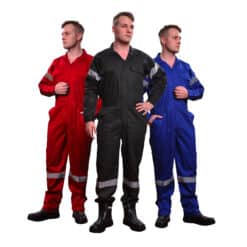
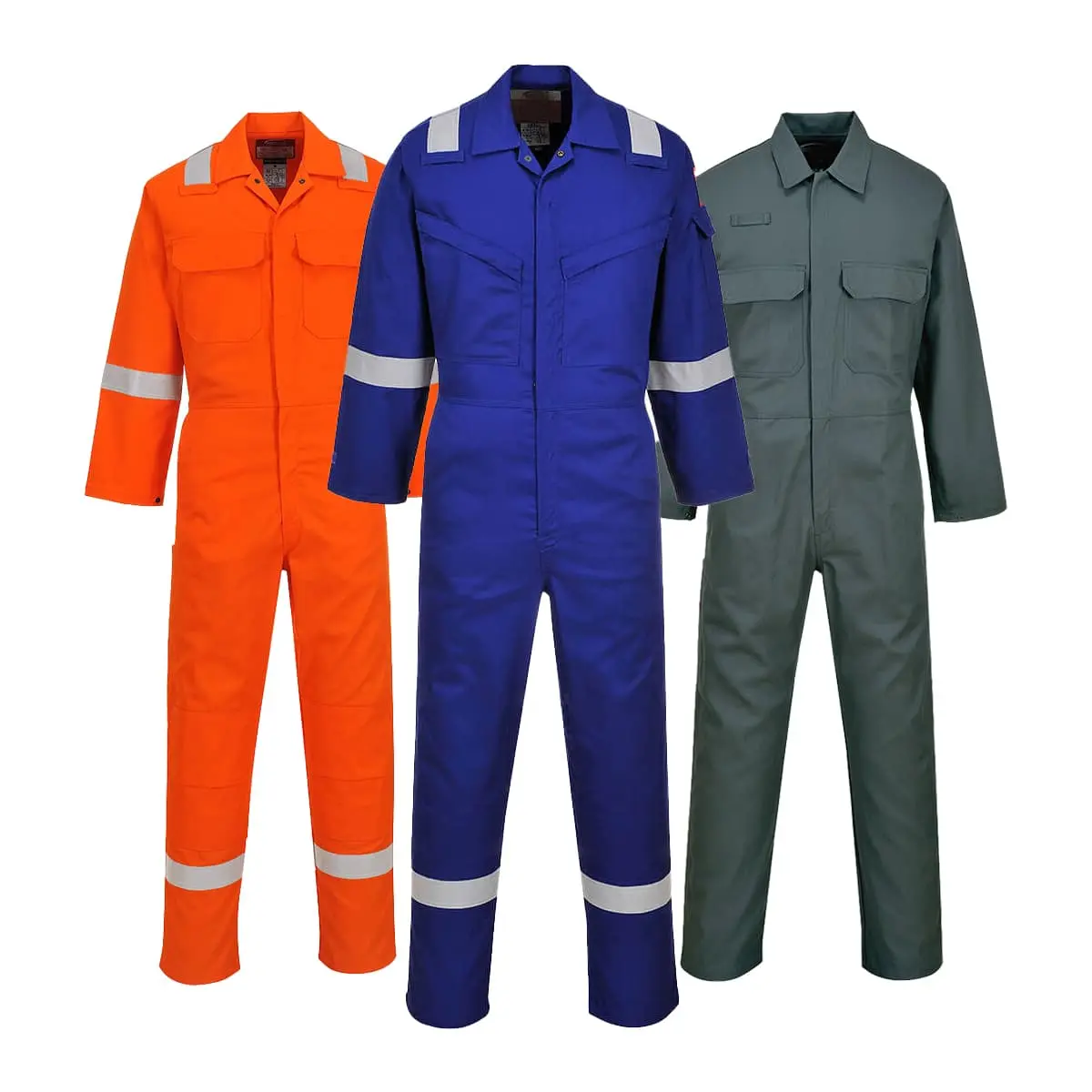
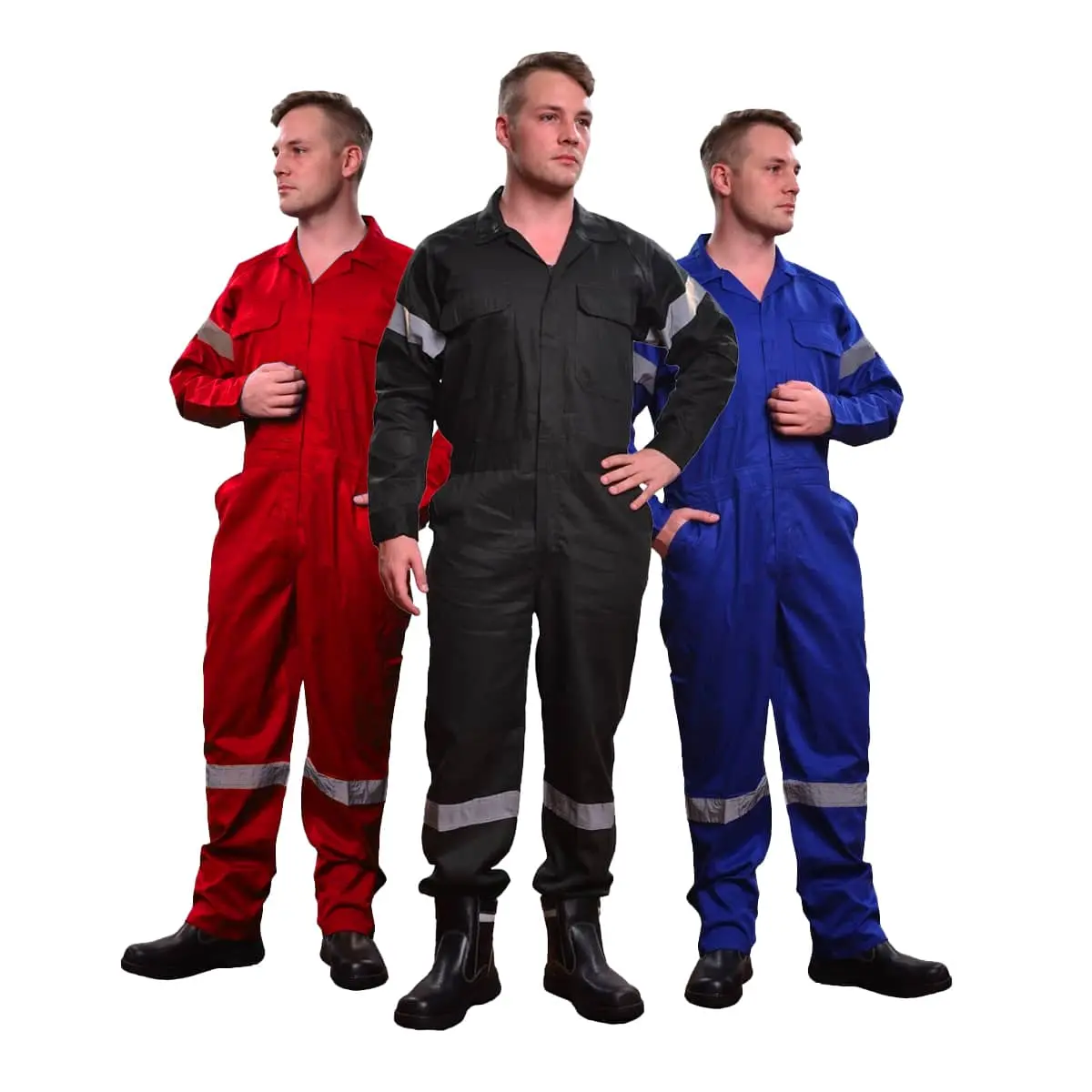
Durable clothing for maintenance, production, warehousing and routine industrial work.
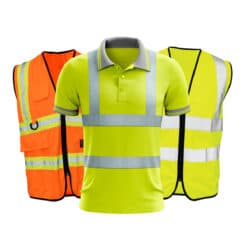
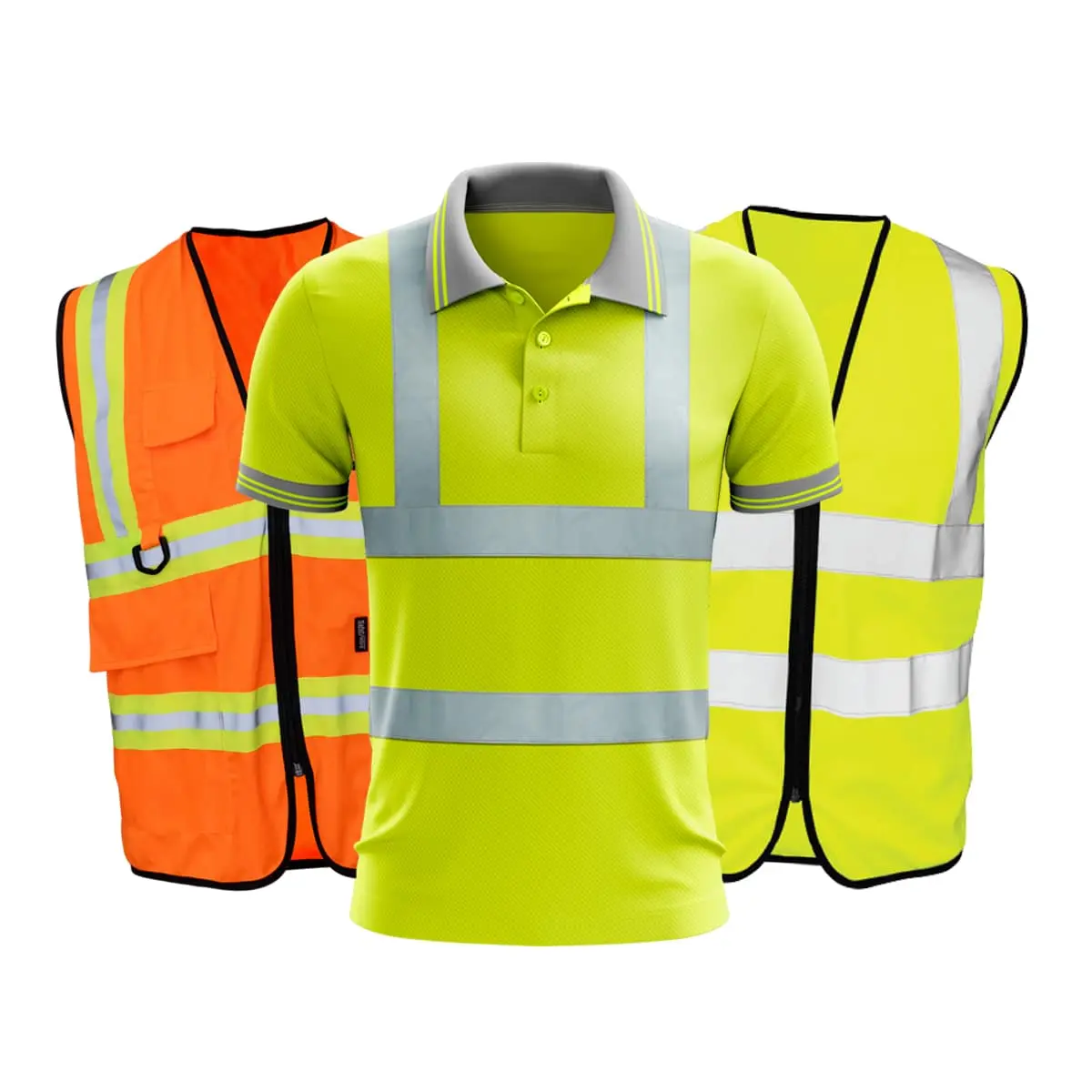
Garments that improve conspicuity around traffic, mobile equipment and low-light work areas.
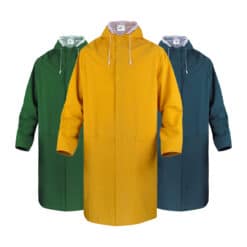
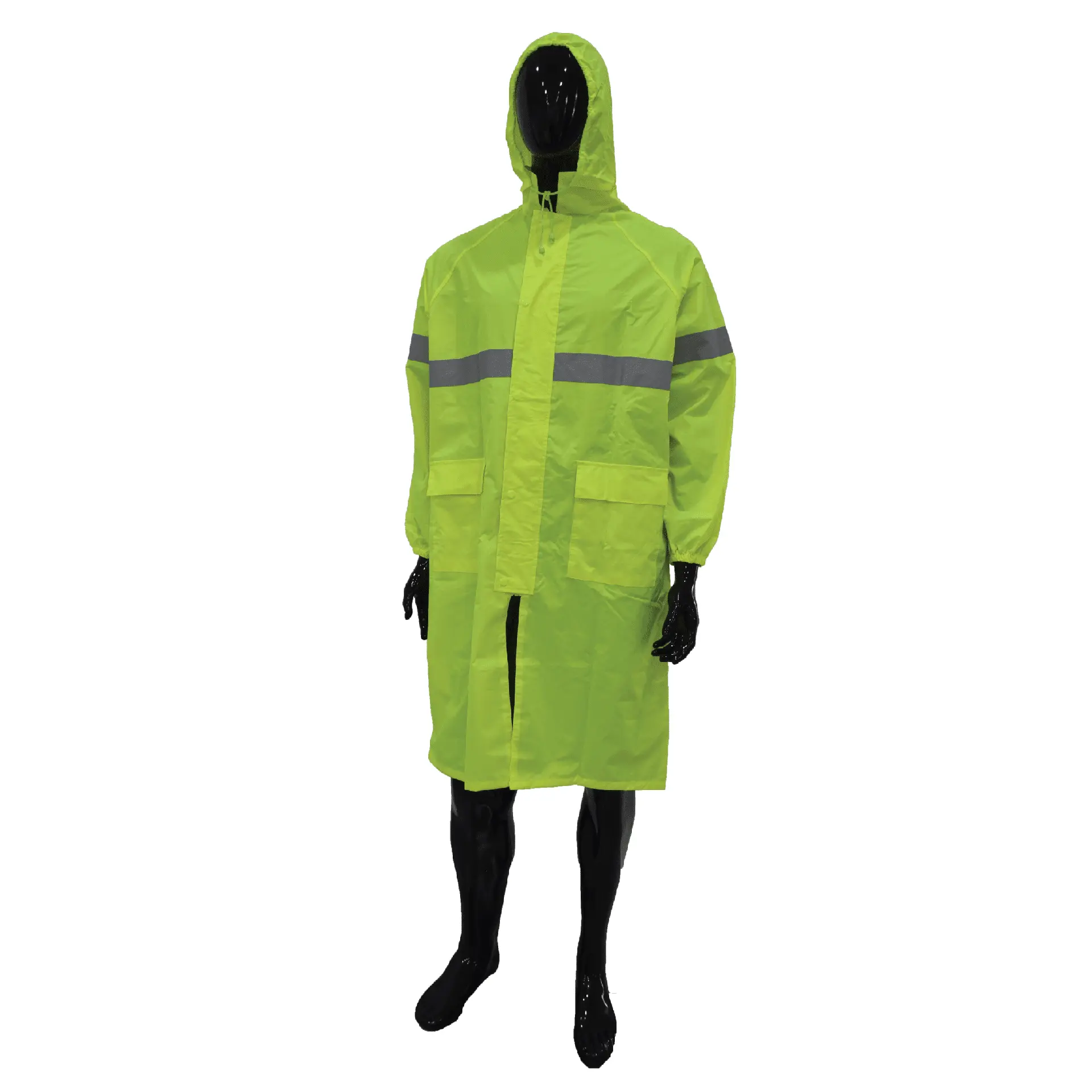
Water-resistant outerwear for outdoor, washdown and wet-weather activities.
Assess splash, chemical permeation, flame, heat, arc, cold, weather, visibility and contamination risks for the task.
Review the SDS, product data and relevant task-specific test standards rather than relying on fabric name or garment colour.
Check closures, seams, cuffs and interfaces with gloves, footwear, respiratory, head and fall-protection equipment.
Define inspection, cleaning, storage, contamination control, service life, disposal and wearer training.
Singapore WSH risk management begins with identifying and reducing hazards. Protective clothing is a supporting control and should be selected for the residual risk that remains after more effective controls are considered.
Start with the hazard and exposure route, then assess material performance, garment coverage, fit, comfort, durability and compatibility with other PPE.
No. Chemical splash, flame, heat, electrical arc, cold, rain and visibility hazards require different garment constructions and performance criteria.
Poorly fitted clothing can restrict movement, interfere with other PPE or create snagging and exposure points. The garment should protect without preventing safe completion of the task.
Replace clothing when it is damaged, contaminated beyond safe cleaning, past its stated service life or no longer able to provide the required protection.
Body protection for chemical handling, heat and flame exposure, electrical work, low-visibility areas, wet weather, cold environments and everyday industrial tasks across Singapore.
Different hazards require different garment materials, coverage and performance. Start with the workplace risk assessment and task requirements rather than garment appearance alone.
Additional frontal protection for splash, dirt, food handling and selected workshop processes.
Task-specific clothing and ensembles for assessed electrical arc hazards.
Coveralls and garments selected for the chemical, concentration and exposure scenario.
Insulated workwear for cold rooms, refrigerated areas and low-temperature tasks.
Specialist protective ensembles intended for trained emergency-response personnel.
Protective apparel for assessed radiant heat, flame, sparks and hot-work exposure.
Durable clothing for maintenance, production, warehousing and routine industrial work.
Garments that improve conspicuity around traffic, mobile equipment and low-light work areas.
Water-resistant outerwear for outdoor, washdown and wet-weather activities.
Assess splash, chemical permeation, flame, heat, arc, cold, weather, visibility and contamination risks for the task.
Review the SDS, product data and relevant task-specific test standards rather than relying on fabric name or garment colour.
Check closures, seams, cuffs and interfaces with gloves, footwear, respiratory, head and fall-protection equipment.
Define inspection, cleaning, storage, contamination control, service life, disposal and wearer training.
Singapore WSH risk management begins with identifying and reducing hazards. Protective clothing is a supporting control and should be selected for the residual risk that remains after more effective controls are considered.
Start with the hazard and exposure route, then assess material performance, garment coverage, fit, comfort, durability and compatibility with other PPE.
No. Chemical splash, flame, heat, electrical arc, cold, rain and visibility hazards require different garment constructions and performance criteria.
Poorly fitted clothing can restrict movement, interfere with other PPE or create snagging and exposure points. The garment should protect without preventing safe completion of the task.
Replace clothing when it is damaged, contaminated beyond safe cleaning, past its stated service life or no longer able to provide the required protection.