
Introduction
Oil prices are once again trending heavily in Singapore, reflecting renewed global attention on energy markets and geopolitical risks. As of 24 March 2026, Brent crude oil has surged to around US$101–105 per barrel, with some reports showing spikes as high as US$105–113 in recent trading sessions. This represents a dramatic rise of more than 40% in just the past month, driven largely by escalating tensions in the Middle East, including conflicts involving the US, Israel, and Iran, as well as disruptions in the Strait of Hormuz — a critical chokepoint that handles roughly 20% of the world’s oil and LNG supply.
Singaporeans searching for “oil price Singapore” are already feeling the impact: higher petrol and diesel prices at the pump, rising electricity tariffs, increased freight and logistics costs, and broader inflationary pressures. While most discussions centre on economic growth, fuel bills, and global energy security, there’s a lesser-known but equally important ripple effect that deserves attention — how rising oil prices directly influence the demand, supply, and cost of Personal Protective Equipment (PPE).
Behind every sharp increase in oil prices lies a chain reaction: heightened industrial activity in energy-related sectors, increased operational risks for workers, and ultimately, a greater need for reliable protection. For businesses operating in or supplying to the oil and gas sector, construction, manufacturing, logistics, and healthcare, this presents both challenges and timely opportunities to secure essential safety gear.
Singaporeans searching for “oil price Singapore” are already feeling the impact: higher petrol and diesel prices at the pump, rising electricity tariffs, increased freight and logistics costs, and broader inflationary pressures. While most discussions centre on economic growth, fuel bills, and global energy security, there’s a lesser-known but equally important ripple effect that deserves attention — how rising oil prices directly influence the demand, supply, and cost of Personal Protective Equipment (PPE).
Behind every sharp increase in oil prices lies a chain reaction: heightened industrial activity in energy-related sectors, increased operational risks for workers, and ultimately, a greater need for reliable protection. For businesses operating in or supplying to the oil and gas sector, construction, manufacturing, logistics, and healthcare, this presents both challenges and timely opportunities to secure essential safety gear.
Why the Oil Shock Makes PPE Stocking Urgent for Singapore
Oil prices don’t just affect your wallet at the petrol station — they have a profound impact on both the demand and supply sides of the PPE market. On the demand side, higher oil prices often signal increased activity in oil and gas exploration, refining, and related industries. This leads to more workers being deployed in high-risk environments, where proper PPE is non-negotiable for compliance and safety. At the same time, broader economic volatility can trigger secondary effects such as supply chain strains, potential factory slowdowns, or even renewed public health concerns if disruptions escalate.
On the supply side, the connection is even more direct. The majority of modern PPE products are manufactured from petroleum-based raw materials. When crude oil prices jump sharply, the cost of these inputs rises quickly. Key examples include:
👉Polypropylene — the primary material used in N95/FFP2 respirators and medical masks
👉Nitrile rubber — essential for durable gloves
👉Polyethylene and PVC — used in aprons, coveralls, face shields, and boots
👉Synthetic fibres and polyester — found in safety vests and protective clothing
👉Plastics and rubber components — in helmets, ear protection, and other gear
Higher bunker fuel prices and war-risk insurance premiums for vessels near conflict zones are also driving up freight and shipping costs. Many PPE components or finished goods are imported into Singapore, meaning any delays through disrupted sea routes could lead to shortages — similar to what we experienced during the 2020–2022 period of global supply chain chaos.
Singapore businesses in construction, healthcare, manufacturing, and logistics are already bracing for these knock-on effects. In short, the same oil-driven crisis pushing up your fuel and electricity bills will soon push PPE prices higher by an estimated 20–50% or more if tensions persist. Smart households and businesses are acting now, while local stock remains available at relatively stable prices. For buyers, this means proactive planning and inventory management have never been more critical during periods of oil price volatility.
On the supply side, the connection is even more direct. The majority of modern PPE products are manufactured from petroleum-based raw materials. When crude oil prices jump sharply, the cost of these inputs rises quickly. Key examples include:
👉Polypropylene — the primary material used in N95/FFP2 respirators and medical masks
👉Nitrile rubber — essential for durable gloves
👉Polyethylene and PVC — used in aprons, coveralls, face shields, and boots
👉Synthetic fibres and polyester — found in safety vests and protective clothing
👉Plastics and rubber components — in helmets, ear protection, and other gear
Higher bunker fuel prices and war-risk insurance premiums for vessels near conflict zones are also driving up freight and shipping costs. Many PPE components or finished goods are imported into Singapore, meaning any delays through disrupted sea routes could lead to shortages — similar to what we experienced during the 2020–2022 period of global supply chain chaos.
Singapore businesses in construction, healthcare, manufacturing, and logistics are already bracing for these knock-on effects. In short, the same oil-driven crisis pushing up your fuel and electricity bills will soon push PPE prices higher by an estimated 20–50% or more if tensions persist. Smart households and businesses are acting now, while local stock remains available at relatively stable prices. For buyers, this means proactive planning and inventory management have never been more critical during periods of oil price volatility.
Your Actionable PPE Crisis Preparedness Checklist
Stock up while supplies are stable and prices have not yet fully reflected the latest oil shock. Below is a practical, tailored list suited to Singapore’s hot and humid climate. Every item includes direct links to our catalogue for easy browsing and ordering.
Household / Family Emergency Kit
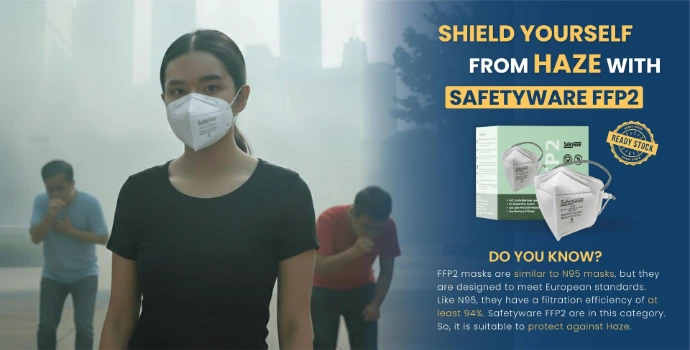
1) N95 or FFP2 Particulate Respirators
Why: Superior filtration against fine dust, smoke, or airborne particles.
2) Nitrile Gloves (powder-free)
Why: Durable, chemical-resistant, and excellent for long-term storage.
3) Disposable Apron
Why: .To minimize risks from cleaning chemicals, dust, or tools
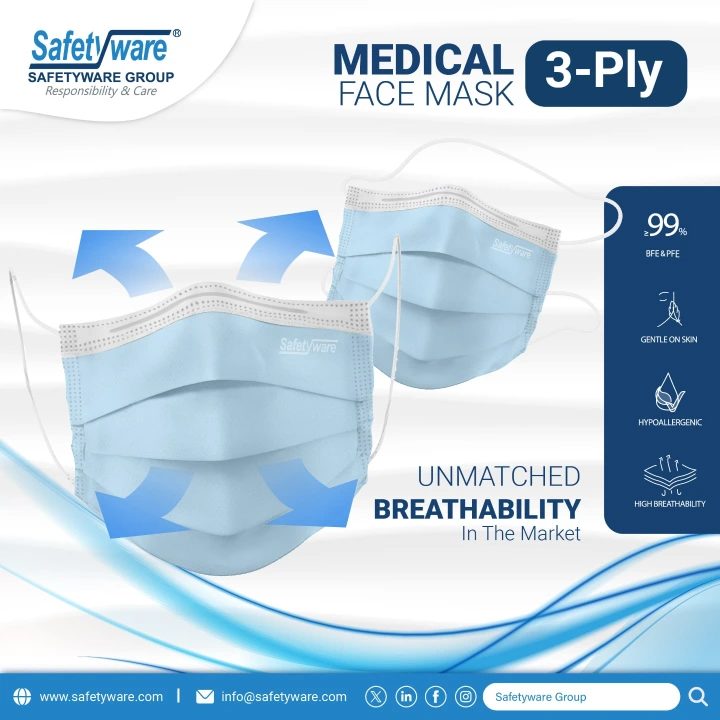
4) 3-Ply Medical Face Masks
Why: Everyday protection for illness prevention and general use
Business / Workplace Kit (Construction, Healthcare, Logistics, Offices, etc.)
In addition to the household basics, businesses should consider scaling up with these professional-grade items:
1) Reusable half-face respirators — one per worker.
🔗Browse Air Purifying Respirators
2) Arc-flash PPE for higher-risk industries.
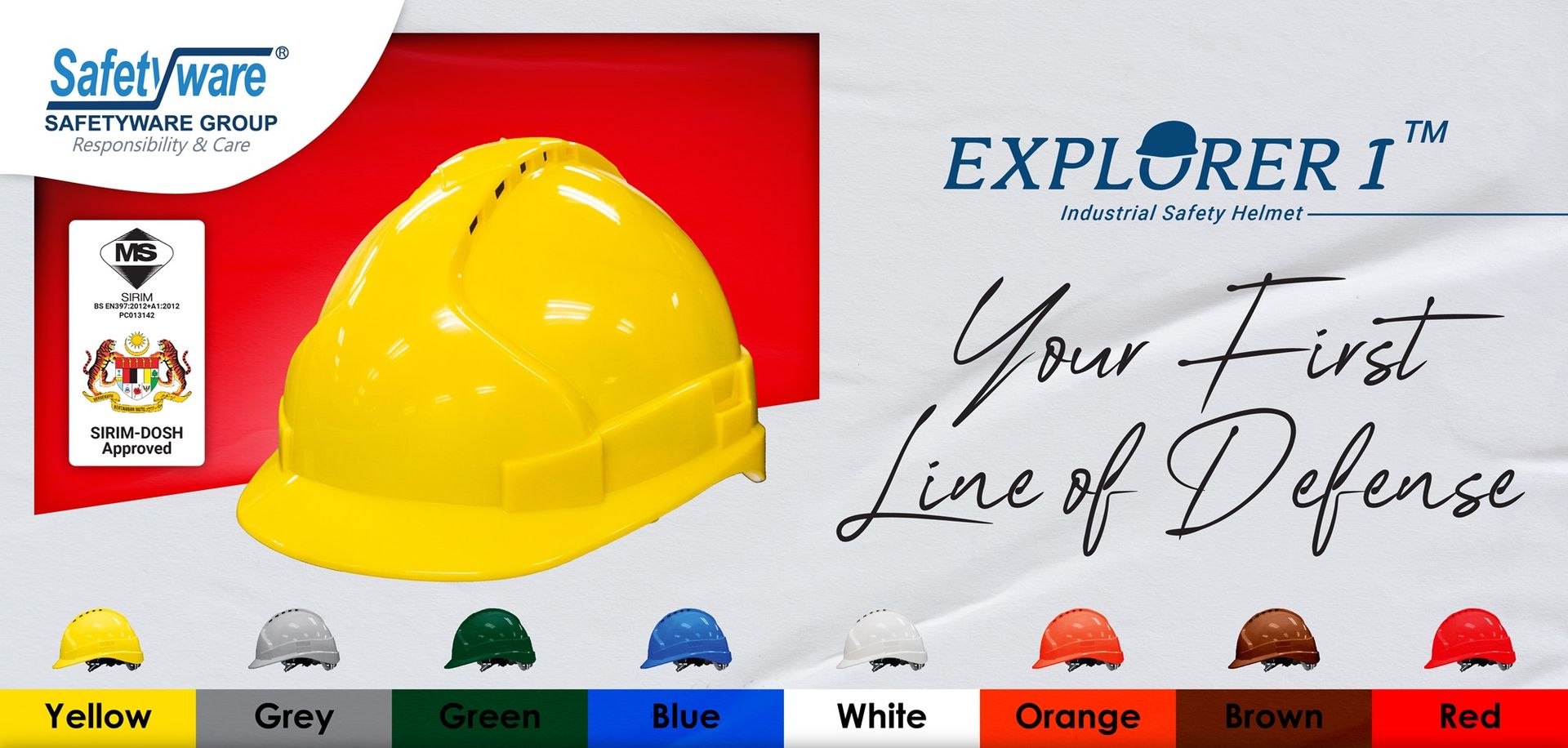
3) Safety helmets
4) High-visibility safety vests
5) Ear muff and ear plugs
6) Portable eyewash stations for industrial sites
Why Now Is the Time to Plan Your PPE Procurement
With oil prices trending upward in Singapore and global markets, businesses should not view this solely as an energy story — it is a clear cost and risk signal.
Rising oil prices impact PPE in two critical, compounding ways:
🚨Higher demand from increased industrial activity, oil & gas operations, and logistics movements.
🚨Rising production and logistics costs due to petroleum-based raw materials, higher freight expenses, and potential shipping delays.
This creates a “double pressure” effect: PPE becomes both more essential and more expensive at the same time. Waiting too long can lead to increased unit costs, limited stock availability, project delays, and even compromised safety compliance — risks no responsible organization can afford.
Rising oil prices impact PPE in two critical, compounding ways:
🚨Higher demand from increased industrial activity, oil & gas operations, and logistics movements.
🚨Rising production and logistics costs due to petroleum-based raw materials, higher freight expenses, and potential shipping delays.
This creates a “double pressure” effect: PPE becomes both more essential and more expensive at the same time. Waiting too long can lead to increased unit costs, limited stock availability, project delays, and even compromised safety compliance — risks no responsible organization can afford.
Proactive Planning: A Competitive Advantage
Forward-thinking companies are already taking action to secure their PPE supply chains. By planning ahead, you can:
✅Lock in current pricing before further increases hit the market.
✅Ensure consistent supply during periods of heightened demand.
✅Avoid last-minute procurement panics and rushed decisions.
✅Maintain uninterrupted safety standards for your team.
In industries where safety is non-negotiable, PPE should never be treated as a last-minute expense. Treating it as a strategic investment during volatile times like these can actually become a competitive advantage.
Don’t Wait for the Next Shortage
History shows that when oil prices spike due to geopolitical shocks, PPE demand surges and shelves empty fast. Prices for masks and gloves doubled or tripled during previous crises. By building your stock now, you lock in today’s prices and protect your family or team when headlines get worse.
While everyone watches petrol pumps and electricity bills, take one quiet step for physical safety: secure your PPE buffer today.
If you need a quotation, contact our sales team:
📩[email protected]
☎️+65 67440882 / +65 98193376
Start preparing today — because when oil prices surge, safety shouldn’t be an afterthought.