Disposable ear plugs
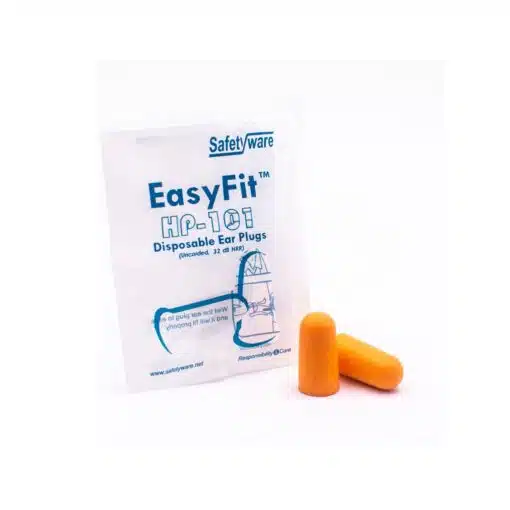
Soft foam, corded and uncorded ear plugs for high-volume use, visitor areas and workers who need compact hearing protection.
Ear plugs, earmuffs, dispensers and helmet-compatible hearing protection for manufacturing, construction, aviation, logistics, maintenance and other noisy Singapore workplaces.
Select hearing protection using measured noise exposure, task duration, wearer fit, hygiene needs and compatibility with other PPE—not attenuation rating alone.
Soft foam, corded and uncorded ear plugs for high-volume use, visitor areas and workers who need compact hearing protection.
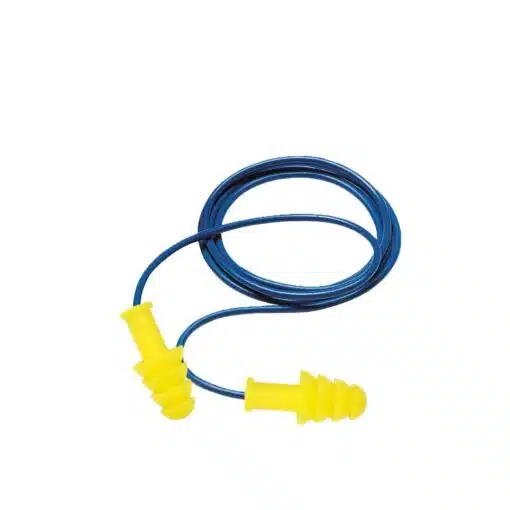
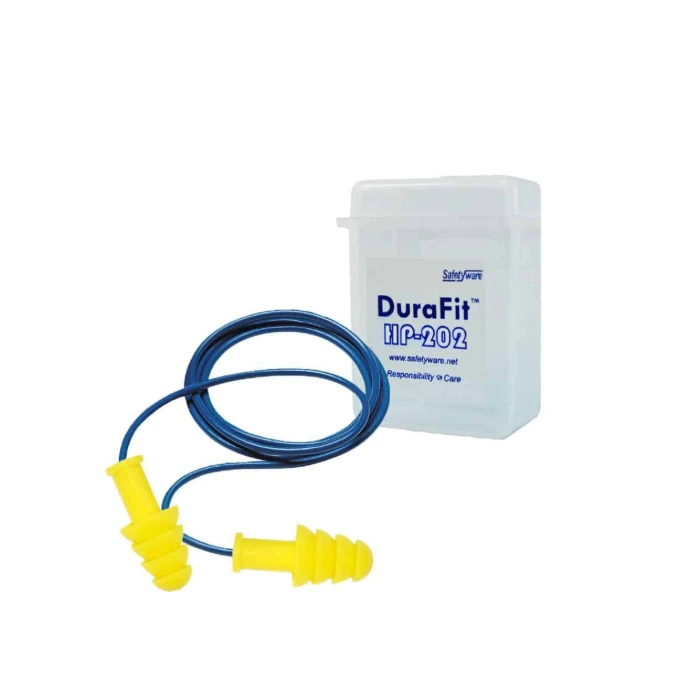
Washable corded plugs and metal-detectable options for routine worker issue, food production, pharmaceutical and process environments.
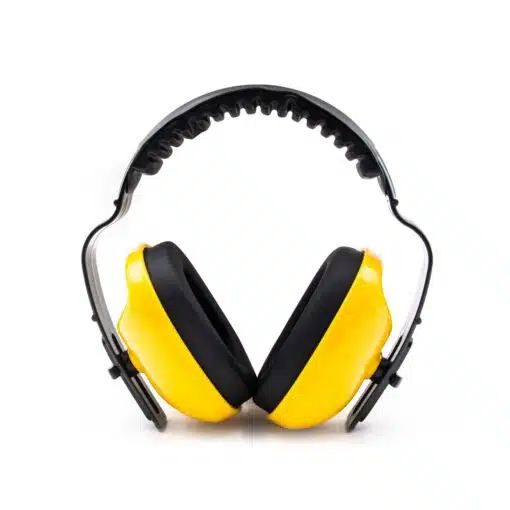
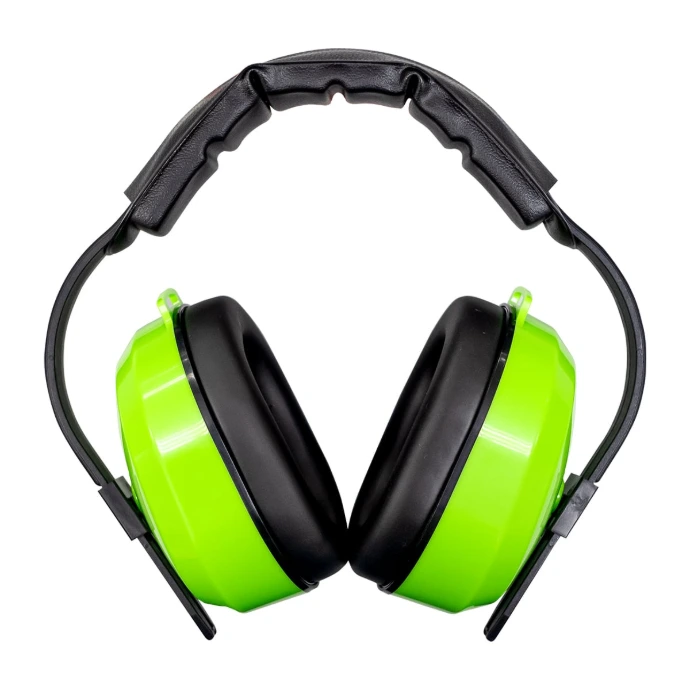
Over-the-head, folding and high-attenuation earmuffs that are easy to issue, inspect and refit for industrial and maintenance work.
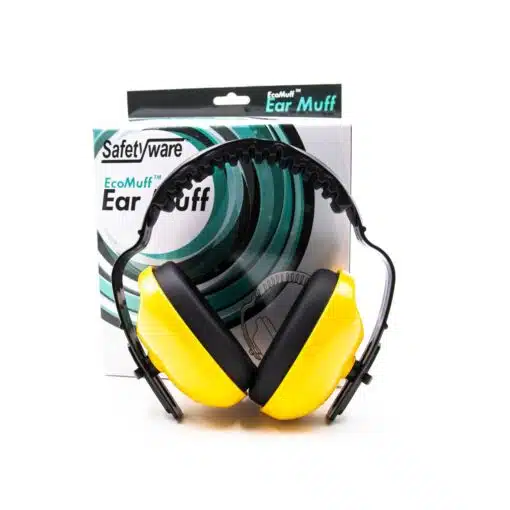
Helmet-compatible, dielectric and multi-position earmuffs, plus hearing-protection kits for workers using helmets, face shields and other PPE.
Use workplace noise measurements to identify exposure level, frequency characteristics, duration and hearing-protection zones.
Compare SNR or NRR information with the assessment while avoiding both inadequate protection and unnecessary overprotection.
Trial comfort and seal with helmets, eyewear and face protection. Hair, spectacle arms and incorrect ear-plug insertion can reduce performance.
Teach correct fitting, provide hygienic storage and replacement, inspect earmuff cushions, and review worker feedback and programme results.
Hearing protectors are one part of noise control. Singapore workplaces should prioritise elimination, quieter equipment, isolation and administrative controls before relying on PPE for residual exposure.
Neither is always better. Ear plugs are compact and convenient, while earmuffs are easier to inspect and refit. Choose using the noise assessment, task, comfort and PPE compatibility.
They are attenuation ratings produced under different test systems. Use the rating specified by the site's selection method and interpret it with competent noise-assessment guidance.
Some very high-noise tasks may require correctly fitted ear plugs together with earmuffs. This should follow the workplace noise assessment and hearing-conservation procedure.
An ear plug only protects effectively when it is inserted correctly and forms a suitable seal. Training, fit checks and wearer comfort influence the protection achieved.
Yes, when the components are compatible and the cushions maintain a complete seal. Helmet adapters, spectacle arms, hair and face-protection fittings must be checked.
Ear plugs, earmuffs, dispensers and helmet-compatible hearing protection for manufacturing, construction, aviation, logistics, maintenance and other noisy Singapore workplaces.
Select hearing protection using measured noise exposure, task duration, wearer fit, hygiene needs and compatibility with other PPE—not attenuation rating alone.
Soft foam, corded and uncorded ear plugs for high-volume use, visitor areas and workers who need compact hearing protection.
Washable corded plugs and metal-detectable options for routine worker issue, food production, pharmaceutical and process environments.
Over-the-head, folding and high-attenuation earmuffs that are easy to issue, inspect and refit for industrial and maintenance work.
Helmet-compatible, dielectric and multi-position earmuffs, plus hearing-protection kits for workers using helmets, face shields and other PPE.
Use workplace noise measurements to identify exposure level, frequency characteristics, duration and hearing-protection zones.
Compare SNR or NRR information with the assessment while avoiding both inadequate protection and unnecessary overprotection.
Trial comfort and seal with helmets, eyewear and face protection. Hair, spectacle arms and incorrect ear-plug insertion can reduce performance.
Teach correct fitting, provide hygienic storage and replacement, inspect earmuff cushions, and review worker feedback and programme results.
Hearing protectors are one part of noise control. Singapore workplaces should prioritise elimination, quieter equipment, isolation and administrative controls before relying on PPE for residual exposure.
Neither is always better. Ear plugs are compact and convenient, while earmuffs are easier to inspect and refit. Choose using the noise assessment, task, comfort and PPE compatibility.
They are attenuation ratings produced under different test systems. Use the rating specified by the site's selection method and interpret it with competent noise-assessment guidance.
Some very high-noise tasks may require correctly fitted ear plugs together with earmuffs. This should follow the workplace noise assessment and hearing-conservation procedure.
An ear plug only protects effectively when it is inserted correctly and forms a suitable seal. Training, fit checks and wearer comfort influence the protection achieved.
Yes, when the components are compatible and the cushions maintain a complete seal. Helmet adapters, spectacle arms, hair and face-protection fittings must be checked.
Protecting workers from hazardous noise is vital for their safety and productivity. Safetyware provides a complete range of hearing protection solutions, including ear plugs and earmuffs, to suit diverse workplace needs. Our ear plugs are available in disposable, reusable, and metal-detectable options, offering flexibility and compliance for various industries. For environments with higher noise levels, our earmuffs deliver superior noise reduction, with models for both standalone and helmet-mounted applications. Each product meets international safety standards, ensuring dependable performance in noisy conditions.