Harnesses
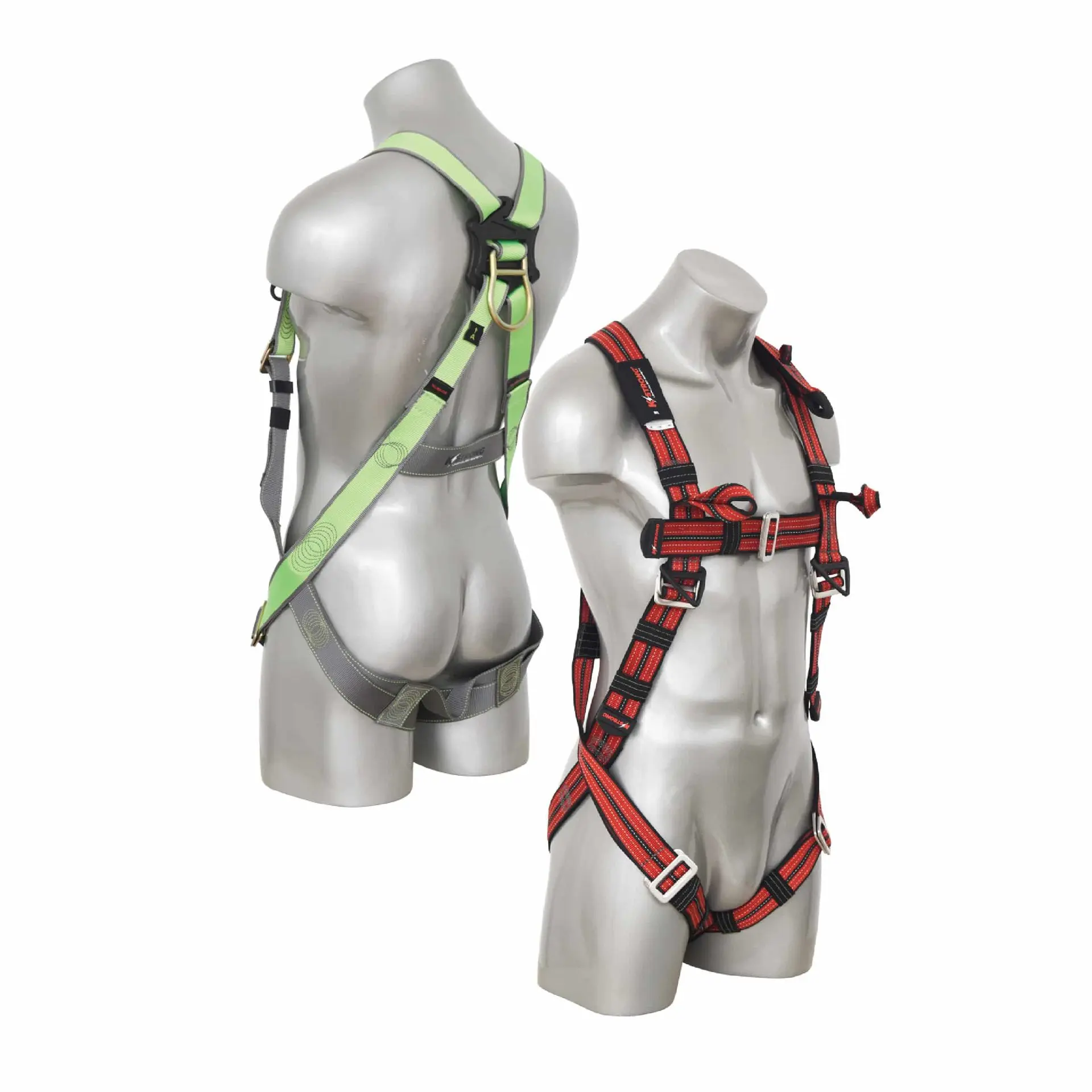
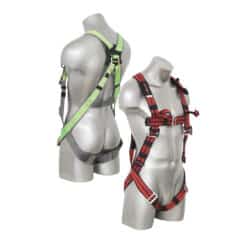
Full-body harnesses selected for fit, attachment points and the intended restraint, positioning or fall-arrest system.
Harnesses, lanyards, self-retracting lifelines, anchorages, connectors, lifelines and rescue equipment for construction, maintenance, utilities, rooftops, towers and industrial work across Singapore.

A personal fall-protection system must be planned as compatible components. Product selection follows the work method, fall exposure, anchorage arrangement, mobility, clearance and rescue procedure.
Full-body harnesses selected for fit, attachment points and the intended restraint, positioning or fall-arrest system.
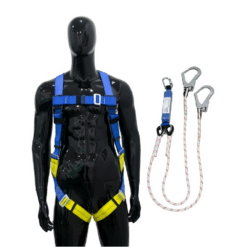
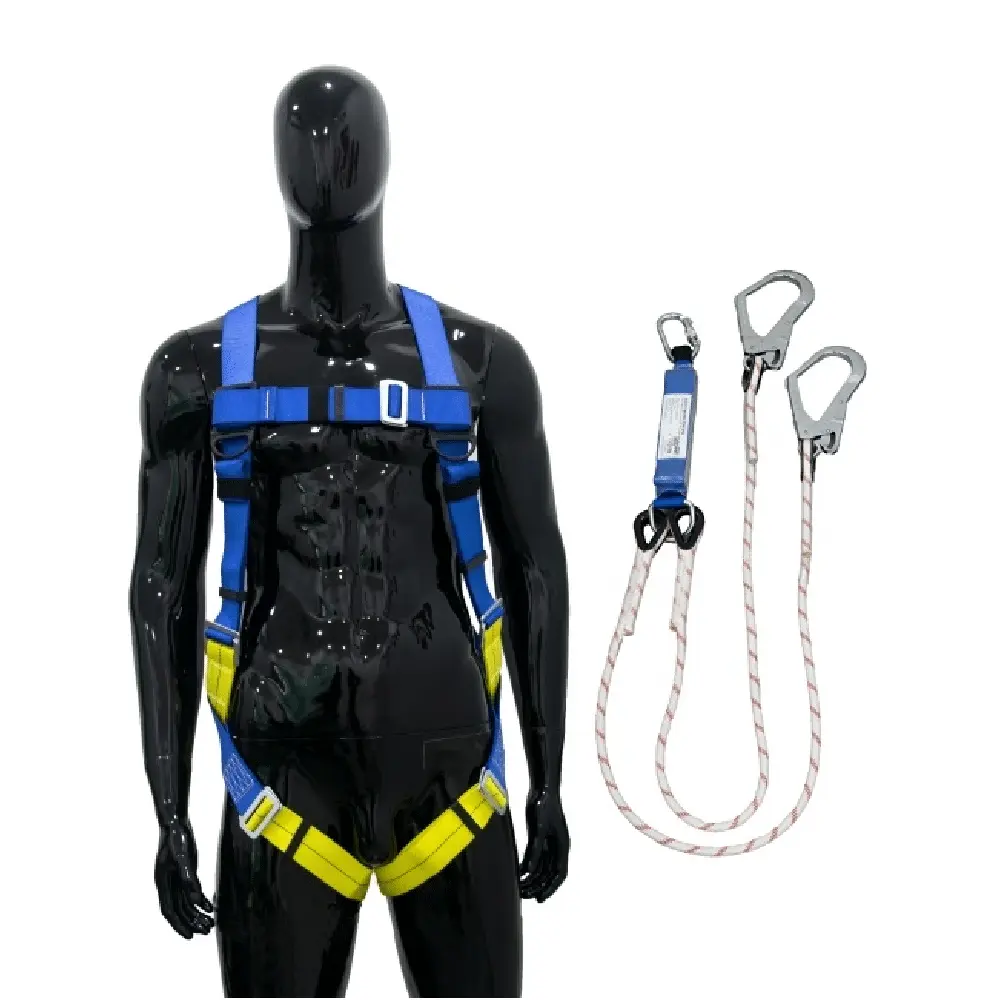
Grouped components for defined work-at-height applications, subject to compatibility and site assessment.
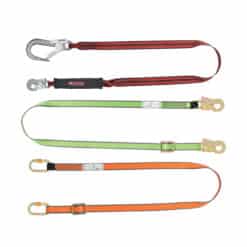
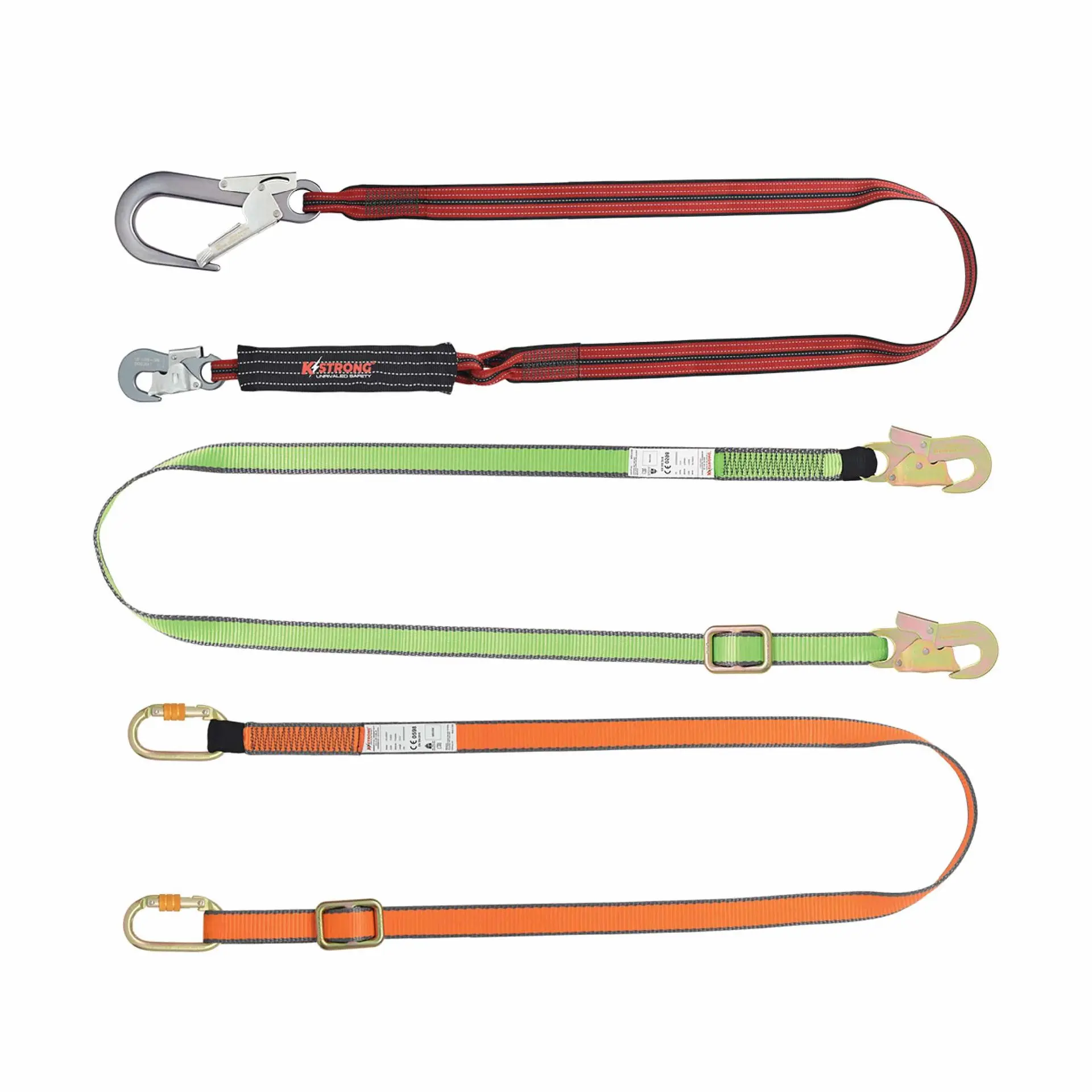
Connecting devices for restraint, positioning or fall arrest, including energy-absorbing and twin-leg options.
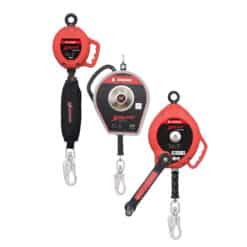
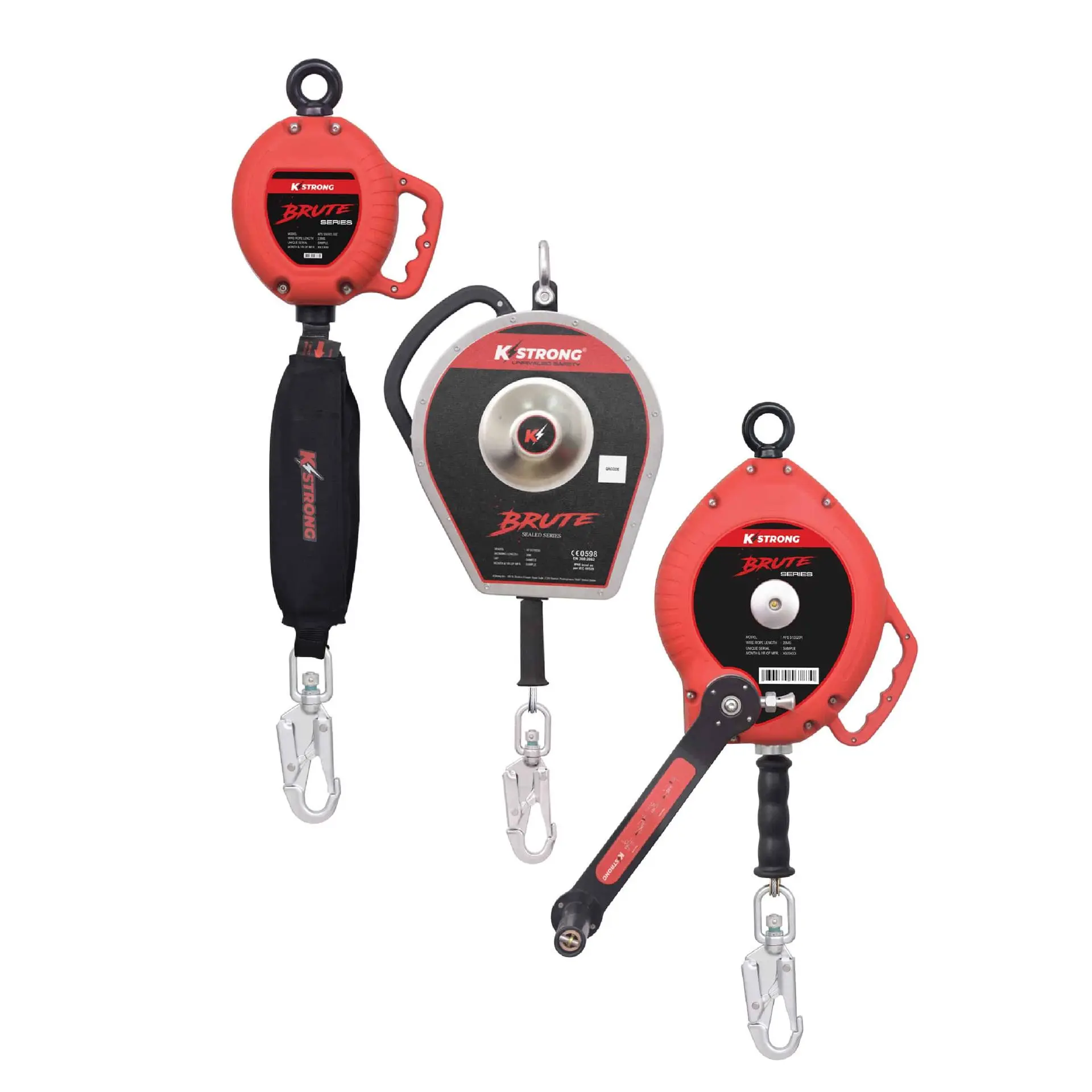
Retractable connecting devices intended to limit free-fall distance while supporting worker movement.
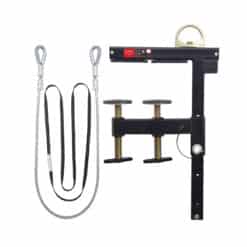
Connection points and anchorage devices selected for the structure, installation method, loading and user count.
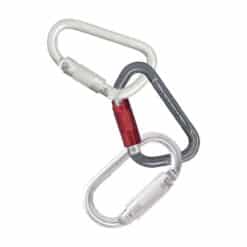
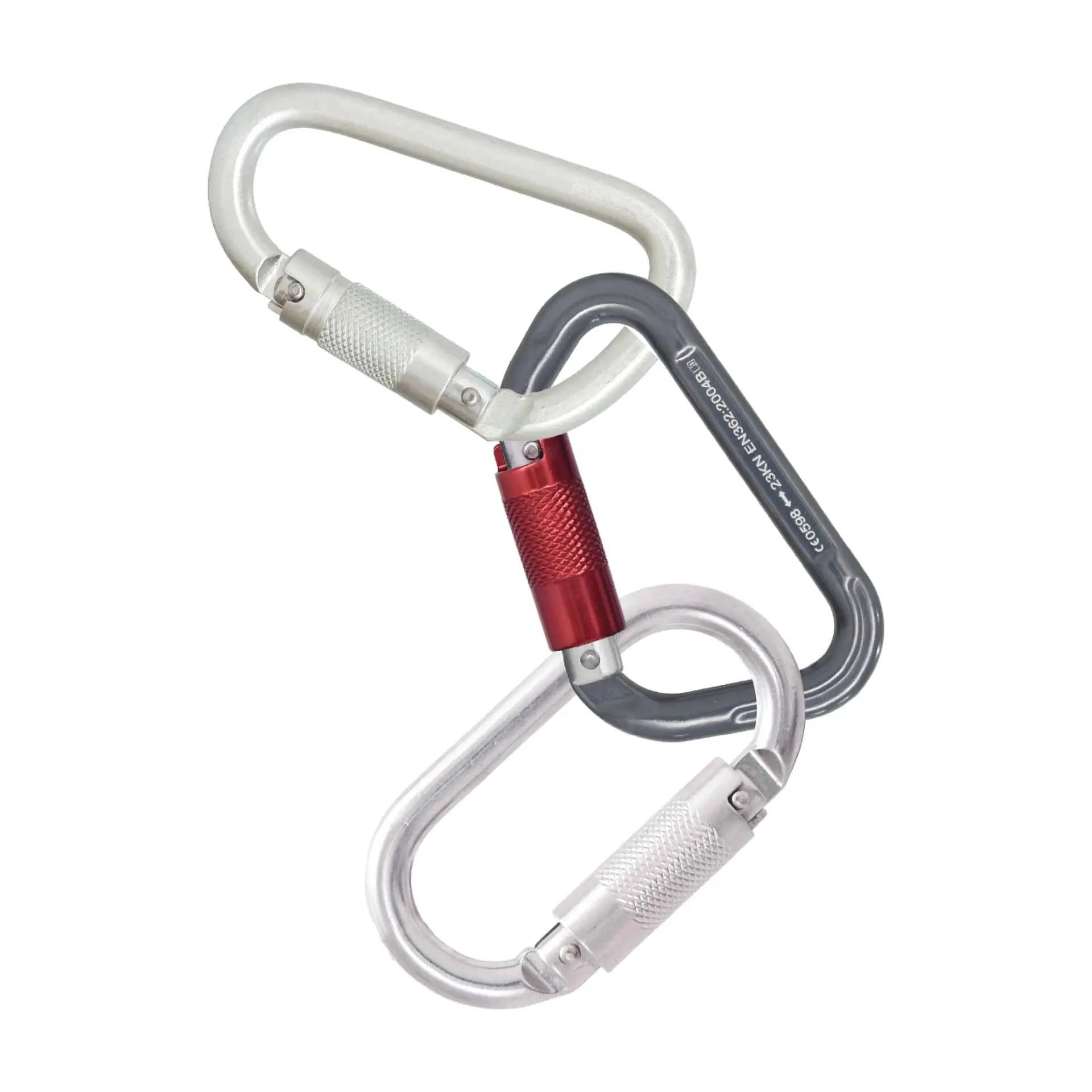
Hooks, karabiners and connecting hardware matched for strength, gate action, dimensions and compatibility.
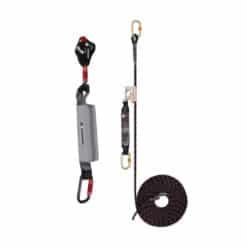
Mobile fall-arrest devices that travel along a compatible vertical or inclined lifeline.
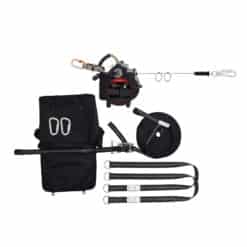
Temporary anchorage lines planned for span, installation, number of users and fall-clearance requirements.
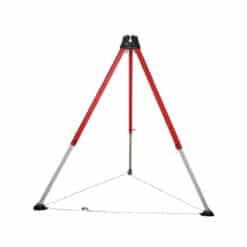
Tripods, retrieval devices and associated equipment integrated with entry and rescue procedures.
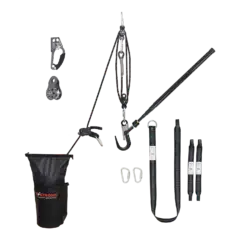
Specialist ropes, descenders, pulleys and rescue components for trained and competent users.
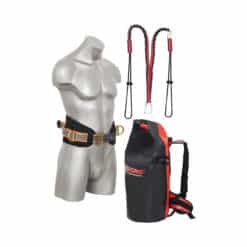
Equipment bags, trauma straps, tool-retention items and supporting components for system management.
Identify edges, openings, access routes, fragile surfaces, movement area, task duration and whether restraint or fall arrest is intended.
Confirm the anchor location, system rating, connector compatibility, tie-off method and possible swing-fall path.
Account for free fall, energy-absorber deployment, line extension, worker height, harness stretch and the safety margin below.
Use trained workers, pre-use checks, formal inspections, equipment records and a site-specific method for prompt rescue after a fall.
Singapore WSH guidance prioritises eliminating or preventing falls. Where personal fall protection is needed, workers require a compatible system, secure anchorage, suitable training, inspection and rescue arrangements.
A typical system includes a full-body harness, a compatible connecting device such as an energy-absorbing lanyard or SRL, and a suitable anchorage or lifeline. Clearance, inspection and rescue arrangements are also essential.
No. The harness must connect to compatible equipment and a suitable anchorage. The complete system must address free-fall distance, arrest forces, swing fall, clearance and rescue.
An SRL may help limit free-fall distance and support mobility, but the model, anchorage position, leading-edge conditions and available clearance must suit the application.
A worker left suspended after a fall can face serious health risks. The work plan should provide equipment, trained personnel and a method for prompt recovery without creating additional danger.
Harnesses, lanyards, self-retracting lifelines, anchorages, connectors, lifelines and rescue equipment for construction, maintenance, utilities, rooftops, towers and industrial work across Singapore.
A personal fall-protection system must be planned as compatible components. Product selection follows the work method, fall exposure, anchorage arrangement, mobility, clearance and rescue procedure.
Full-body harnesses selected for fit, attachment points and the intended restraint, positioning or fall-arrest system.
Grouped components for defined work-at-height applications, subject to compatibility and site assessment.
Connecting devices for restraint, positioning or fall arrest, including energy-absorbing and twin-leg options.
Retractable connecting devices intended to limit free-fall distance while supporting worker movement.
Connection points and anchorage devices selected for the structure, installation method, loading and user count.
Hooks, karabiners and connecting hardware matched for strength, gate action, dimensions and compatibility.
Mobile fall-arrest devices that travel along a compatible vertical or inclined lifeline.
Temporary anchorage lines planned for span, installation, number of users and fall-clearance requirements.
Tripods, retrieval devices and associated equipment integrated with entry and rescue procedures.
Specialist ropes, descenders, pulleys and rescue components for trained and competent users.
Equipment bags, trauma straps, tool-retention items and supporting components for system management.
Identify edges, openings, access routes, fragile surfaces, movement area, task duration and whether restraint or fall arrest is intended.
Confirm the anchor location, system rating, connector compatibility, tie-off method and possible swing-fall path.
Account for free fall, energy-absorber deployment, line extension, worker height, harness stretch and the safety margin below.
Use trained workers, pre-use checks, formal inspections, equipment records and a site-specific method for prompt rescue after a fall.
Singapore WSH guidance prioritises eliminating or preventing falls. Where personal fall protection is needed, workers require a compatible system, secure anchorage, suitable training, inspection and rescue arrangements.
A typical system includes a full-body harness, a compatible connecting device such as an energy-absorbing lanyard or SRL, and a suitable anchorage or lifeline. Clearance, inspection and rescue arrangements are also essential.
No. The harness must connect to compatible equipment and a suitable anchorage. The complete system must address free-fall distance, arrest forces, swing fall, clearance and rescue.
An SRL may help limit free-fall distance and support mobility, but the model, anchorage position, leading-edge conditions and available clearance must suit the application.
A worker left suspended after a fall can face serious health risks. The work plan should provide equipment, trained personnel and a method for prompt recovery without creating additional danger.