General-purpose safety shoes
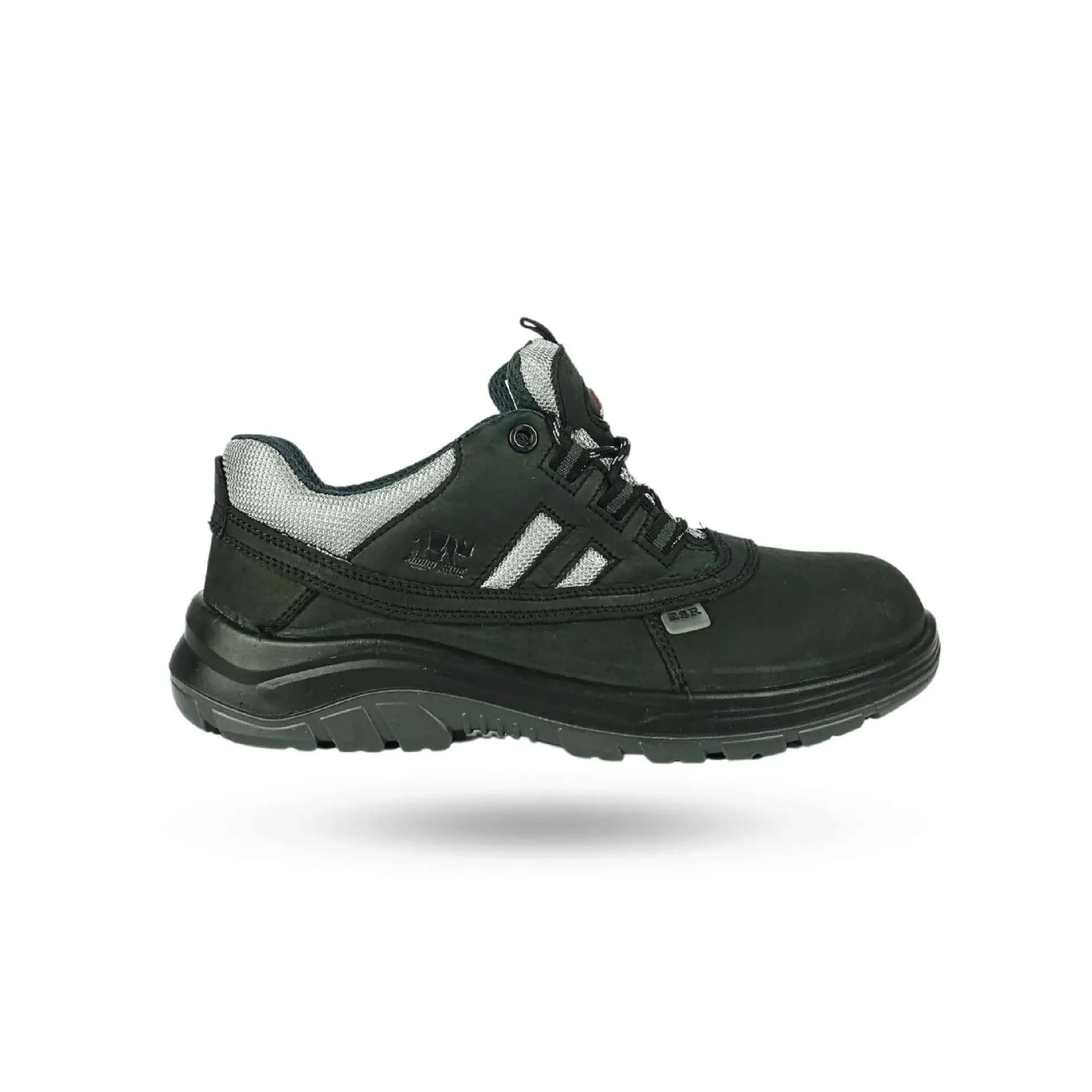
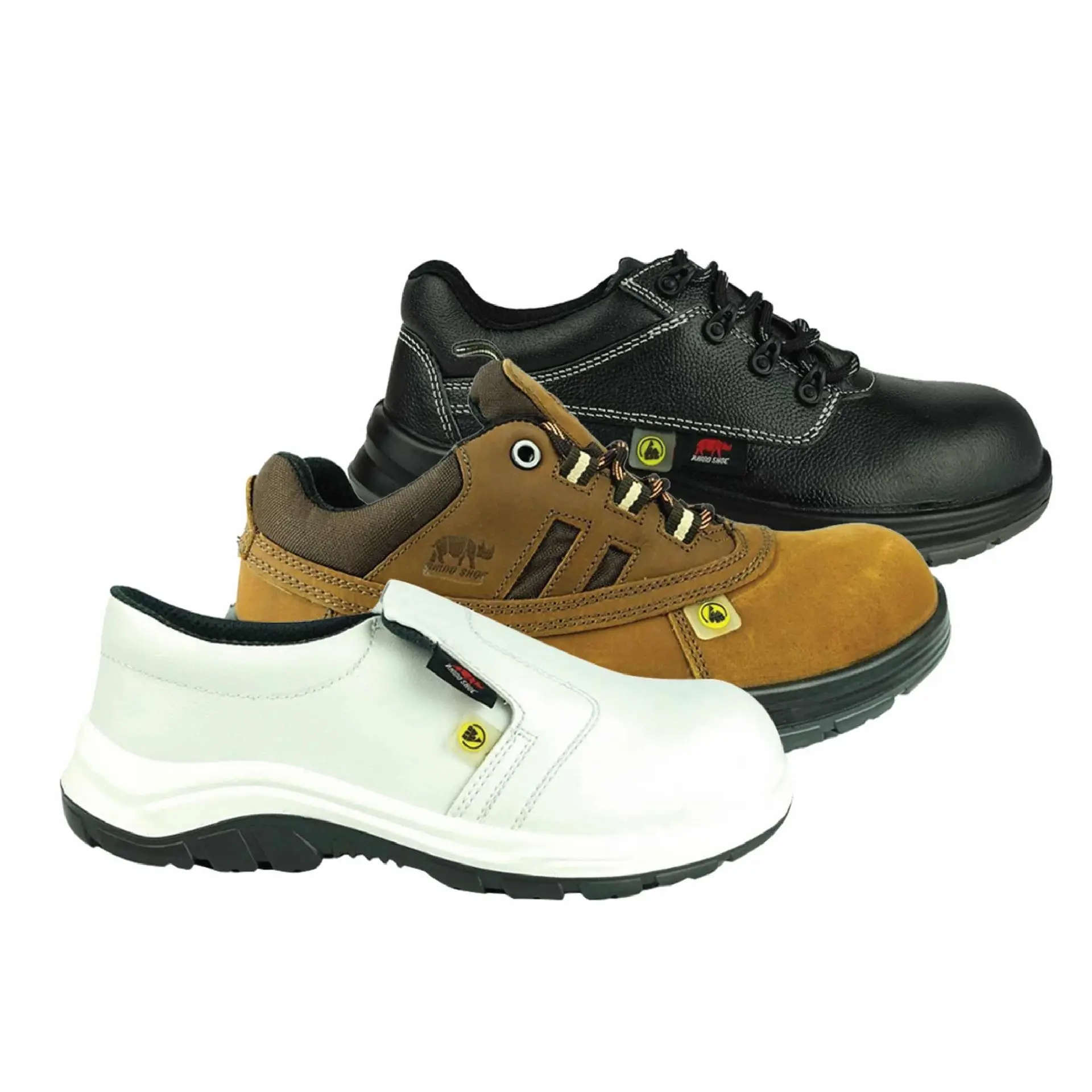
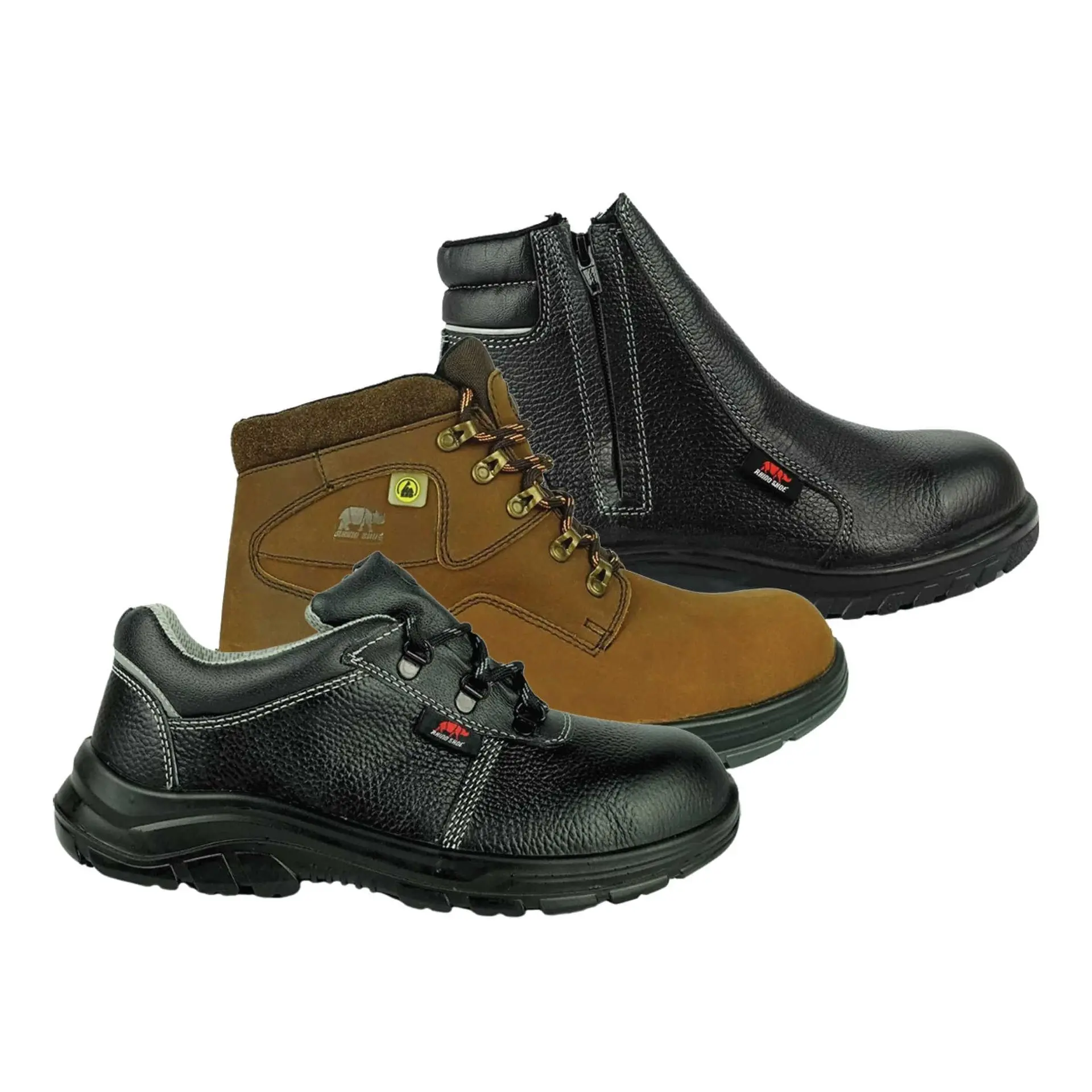
Low-cut, mid-cut, high-cut and pull-up safety footwear for factories, warehouses, construction, logistics, maintenance and general industrial work.
Safety shoes, work boots, ESR and ESD footwear, PVC Wellington boots, overboots and accessories for construction, manufacturing, logistics, electronics, utilities and facility teams across Singapore.

Choose footwear by the actual hazard, floor condition, required protection, work environment and wearer fit—not by appearance alone.
Low-cut, mid-cut, high-cut and pull-up safety footwear for factories, warehouses, construction, logistics, maintenance and general industrial work.

Electric shock resistant safety shoes, dielectric boots and overboots for selected electrical maintenance, utility and switching applications.

Static-control footwear for electronics, semiconductor, clean manufacturing, laboratories and assembly environments operating an ESD-control programme.
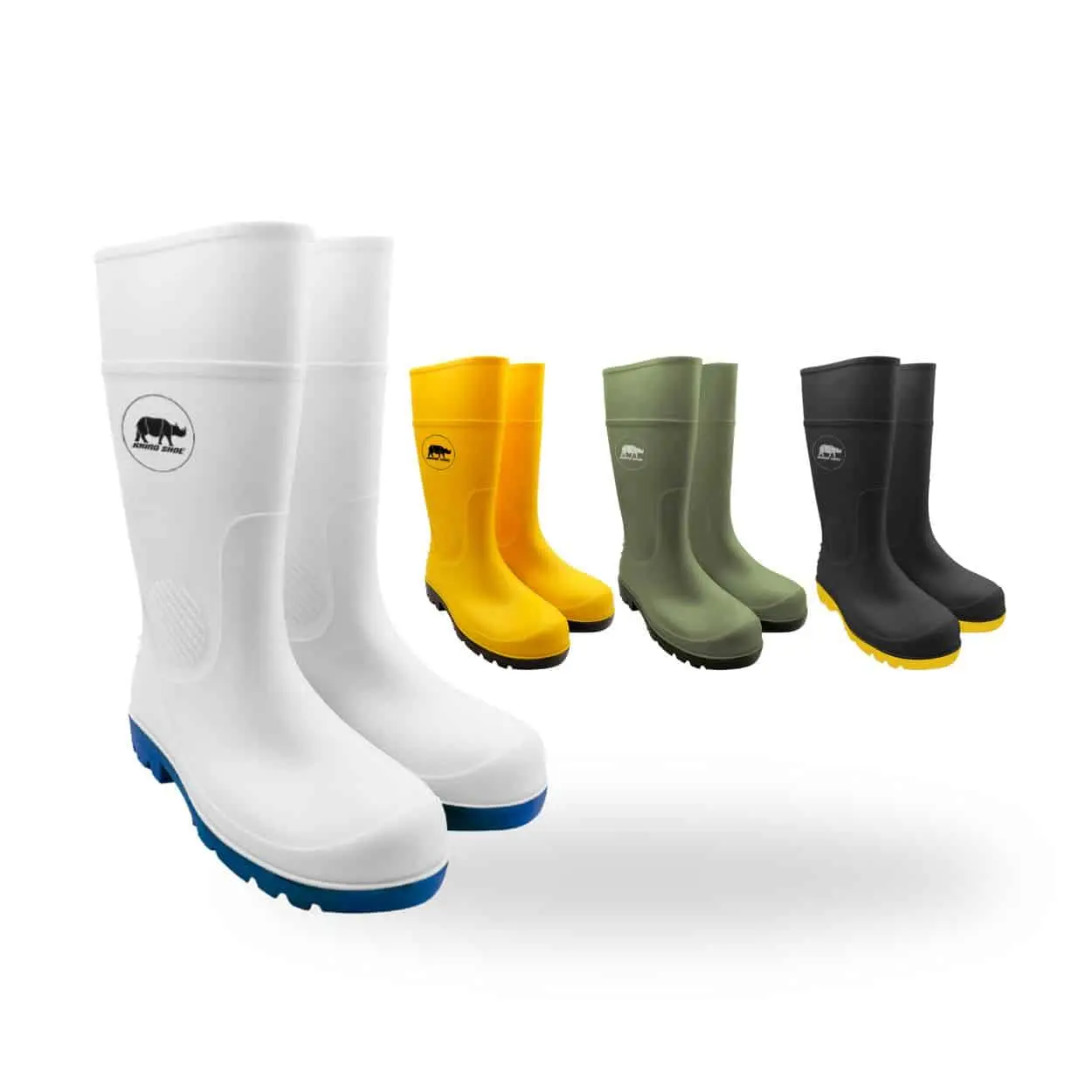
Waterproof boots, overboots and specialist footwear for wet areas, washdown, food processing, cleaning, wastewater, outdoor work and selected chemical exposure.
Assess impact, compression, sharp-object penetration, slippery floors, wet areas, heat, oil, chemicals, electrical exposure and static-control requirements.
Confirm toe and midsole protection, outsole properties, slip performance and any required ESR, ESD, waterproof, heat-resistant or chemical-resistant features.
For Singapore projects, check the required SS 513 or EN ISO 20345-aligned classification, product marking and supporting documentation for the selected model.
Allow for foot width, socks, shift duration and movement. Keep size records and replace footwear that is damaged, worn, contaminated or no longer provides secure support.
Footwear should follow the workplace risk assessment and work together with housekeeping, floor controls, safe work procedures and worker training.
Low-cut or mid-cut safety shoes may suit many factory, warehouse, logistics and maintenance tasks, provided their toe protection, penetration resistance, outsole and certification match the risk assessment.
ESR footwear is selected to reduce electric-shock risk under defined conditions. ESD footwear helps control electrostatic discharge within an ESD-control system. Neither should be substituted for rated dielectric footwear without a competent assessment.
They are commonly used in wet, muddy, washdown and hygiene-sensitive areas. Check the model's slip resistance, toe and midsole protection, material resistance and safety classification.
Confirm the hazard, required standard, model marking, size range, width and comfort needs, outsole properties, workplace conditions, documentation and replacement plan.
Replace them when the upper, sole, tread, toe area, seams or fastening system is damaged, excessively worn or contaminated, or when the footwear no longer fits securely. Follow any site-specific replacement rules.
Safety shoes, work boots, ESR and ESD footwear, PVC Wellington boots, overboots and accessories for construction, manufacturing, logistics, electronics, utilities and facility teams across Singapore.
Choose footwear by the actual hazard, floor condition, required protection, work environment and wearer fit—not by appearance alone.
Low-cut, mid-cut, high-cut and pull-up safety footwear for factories, warehouses, construction, logistics, maintenance and general industrial work.
Electric shock resistant safety shoes, dielectric boots and overboots for selected electrical maintenance, utility and switching applications.
Static-control footwear for electronics, semiconductor, clean manufacturing, laboratories and assembly environments operating an ESD-control programme.
Waterproof boots, overboots and specialist footwear for wet areas, washdown, food processing, cleaning, wastewater, outdoor work and selected chemical exposure.
Assess impact, compression, sharp-object penetration, slippery floors, wet areas, heat, oil, chemicals, electrical exposure and static-control requirements.
Confirm toe and midsole protection, outsole properties, slip performance and any required ESR, ESD, waterproof, heat-resistant or chemical-resistant features.
For Singapore projects, check the required SS 513 or EN ISO 20345-aligned classification, product marking and supporting documentation for the selected model.
Allow for foot width, socks, shift duration and movement. Keep size records and replace footwear that is damaged, worn, contaminated or no longer provides secure support.
Footwear should follow the workplace risk assessment and work together with housekeeping, floor controls, safe work procedures and worker training.
Low-cut or mid-cut safety shoes may suit many factory, warehouse, logistics and maintenance tasks, provided their toe protection, penetration resistance, outsole and certification match the risk assessment.
ESR footwear is selected to reduce electric-shock risk under defined conditions. ESD footwear helps control electrostatic discharge within an ESD-control system. Neither should be substituted for rated dielectric footwear without a competent assessment.
They are commonly used in wet, muddy, washdown and hygiene-sensitive areas. Check the model's slip resistance, toe and midsole protection, material resistance and safety classification.
Confirm the hazard, required standard, model marking, size range, width and comfort needs, outsole properties, workplace conditions, documentation and replacement plan.
Replace them when the upper, sole, tread, toe area, seams or fastening system is damaged, excessively worn or contaminated, or when the footwear no longer fits securely. Follow any site-specific replacement rules.
Safetyware Group is Malaysia’s largest safety footwear manufacturer, providing a comprehensive range of foot protection solutions. We manufacture our shoes & boots under our brand named RHINO SHOE and we also cater for OEM requirement. Our ISO 9001-certified factory produces shoes and boots equipped with modern automated machinery. As a established safety footwear manufacturer, trusted by thousands of customers in Malaysia, Singapore, Thailand, Vietnam, Philippines, Indonesia, Brunei, Cambodia, Laos, and a dozen of other countries, all our products are tested to international and regional standards, including EN ISO 20345, SIRIM MS ISO 20345, and Singapore SS513 standard. With wide-fitting steel or fiberglass toe caps and EEE-sized lasts, our footwear offers unmatched comfort. From electric shock resistance to specialty boots, our range meets the demands of various industries, ensuring durability, safety, and comfort.