Cut, impact and arm protection
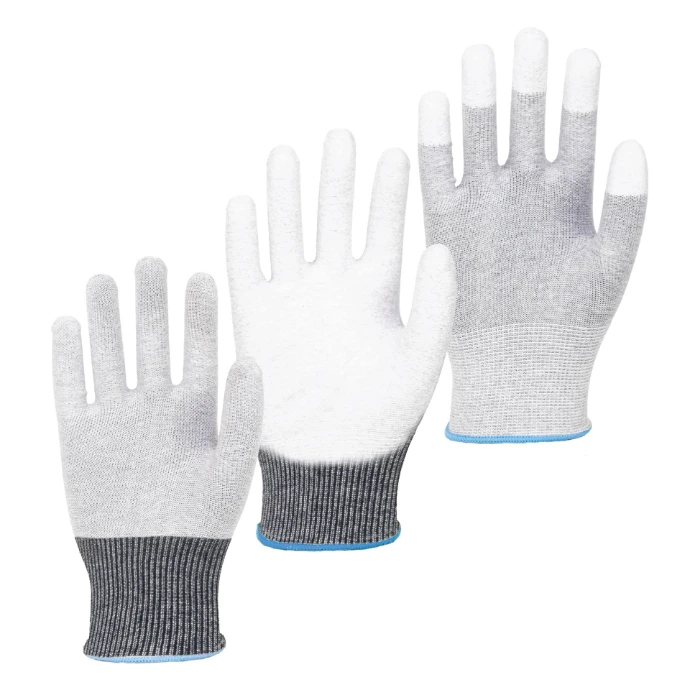
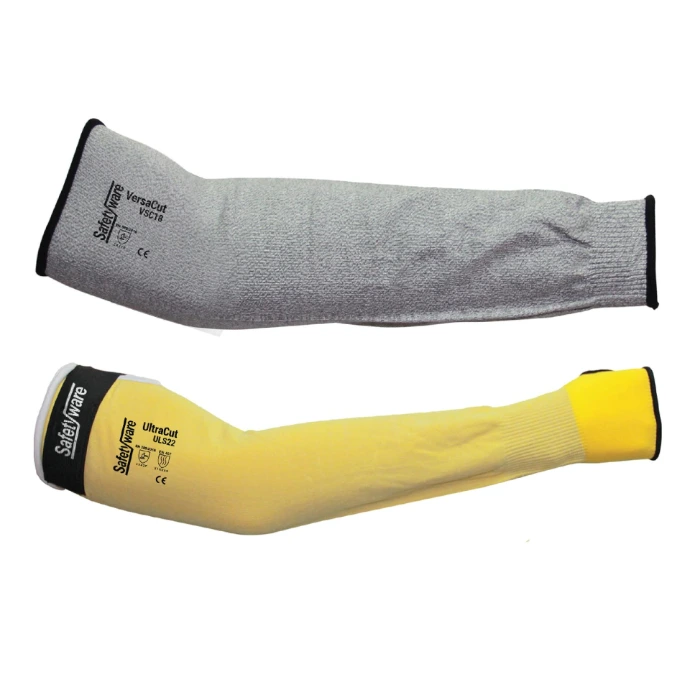
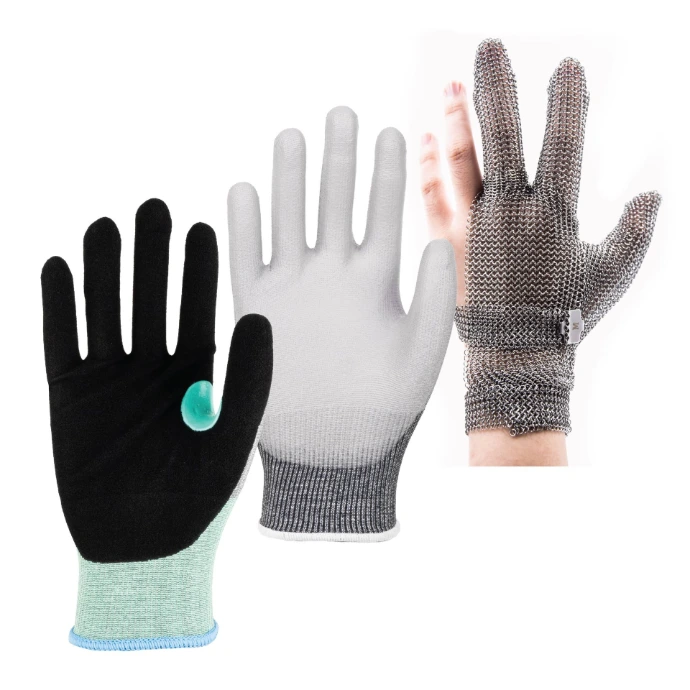
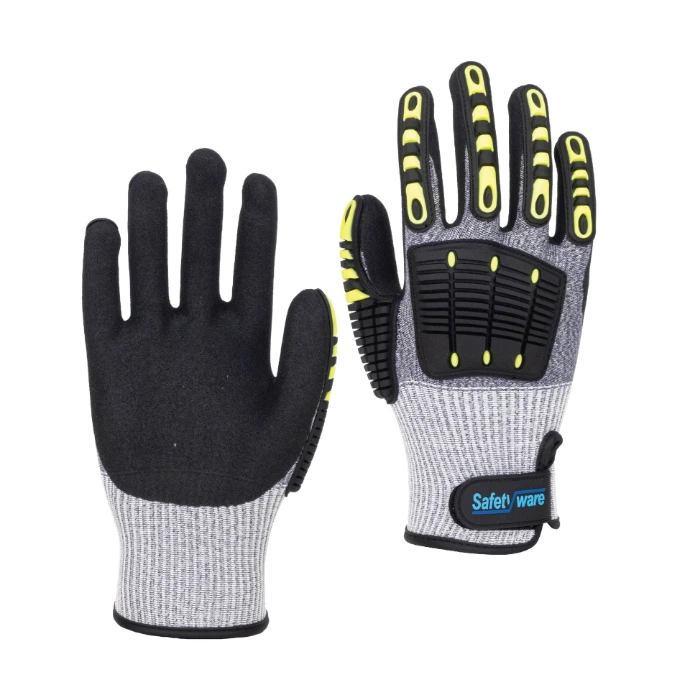
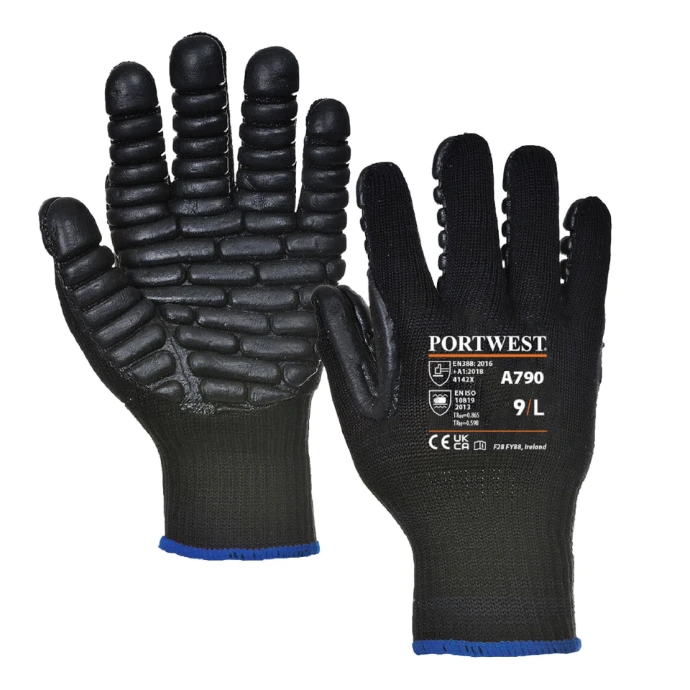
Cut-resistant gloves, impact gloves, ring-mesh gloves and protective sleeves for sharp edges, metal, glass, blades, abrasive parts and selected high-impact handling tasks.
Safety gloves, gauntlets, arm sleeves and specialist hand protection for cuts, chemicals, heat, cold, impact, electrical work, ESD control, cleanrooms and general handling across Singapore workplaces.

Select hand protection by the actual exposure, contact duration, surface handled, required grip, cuff coverage and dexterity—not by glove material or colour alone.
Cut-resistant gloves, impact gloves, ring-mesh gloves and protective sleeves for sharp edges, metal, glass, blades, abrasive parts and selected high-impact handling tasks.
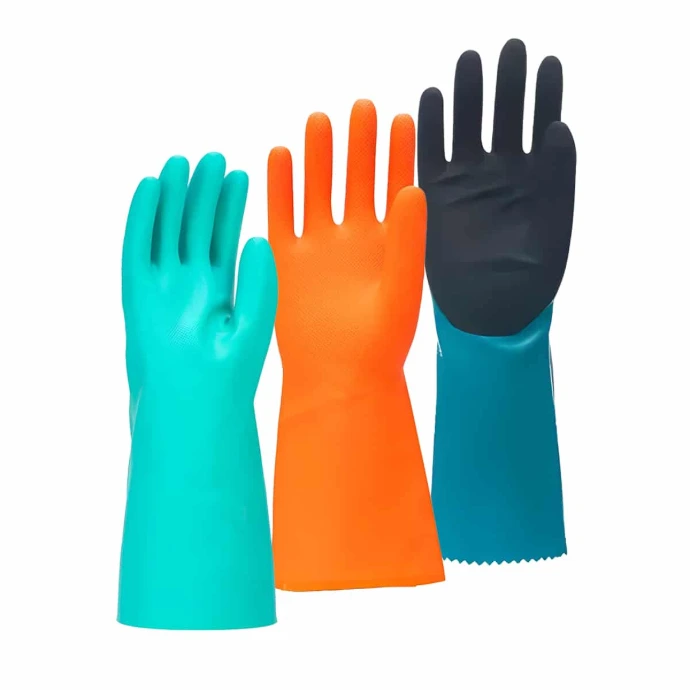
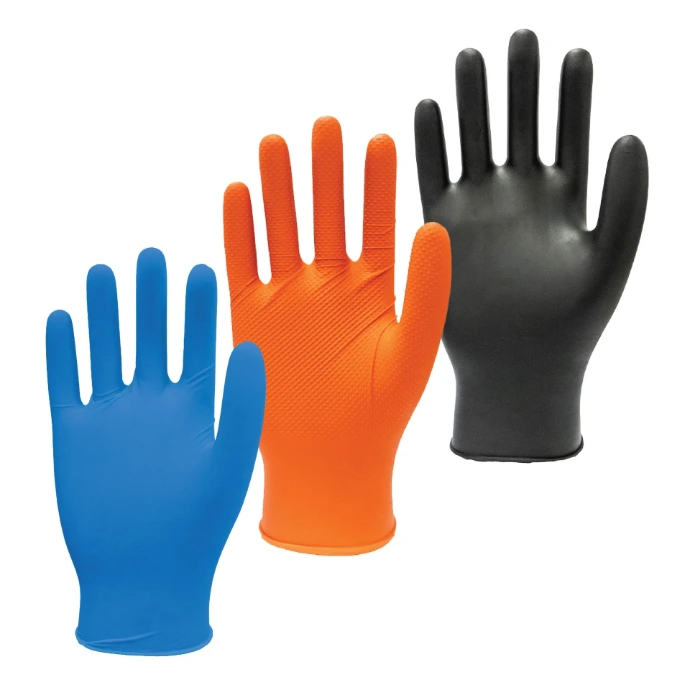
Nitrile, neoprene, PVC, natural-rubber and disposable gloves for laboratories, cleaning, chemical processing, food handling, maintenance and splash-control applications.
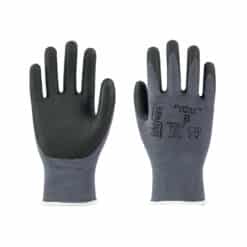
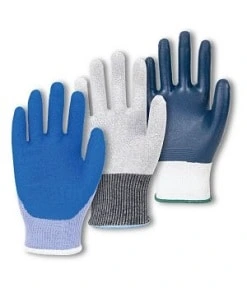
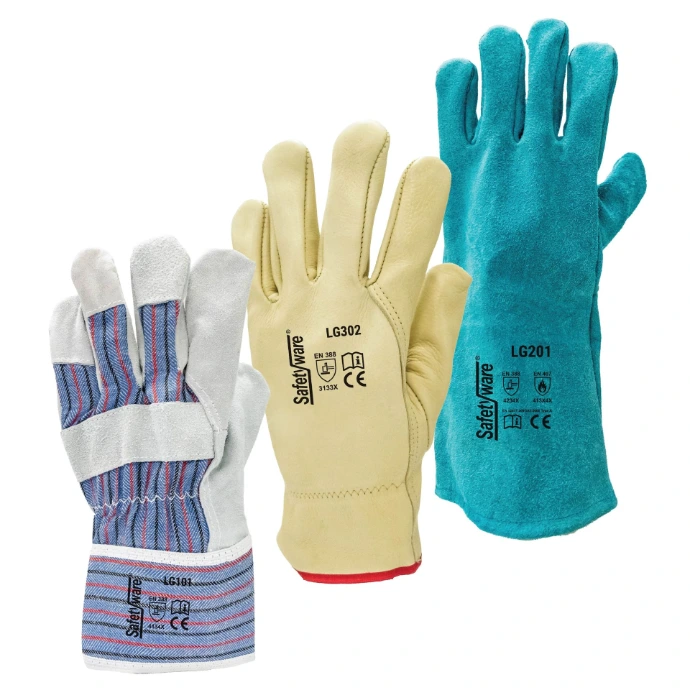
Knitted, PU-coated, nitrile-coated, latex-coated, leather and mechanics gloves for assembly, packing, warehousing, construction, maintenance and routine handling.
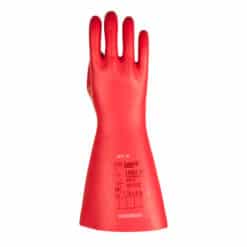
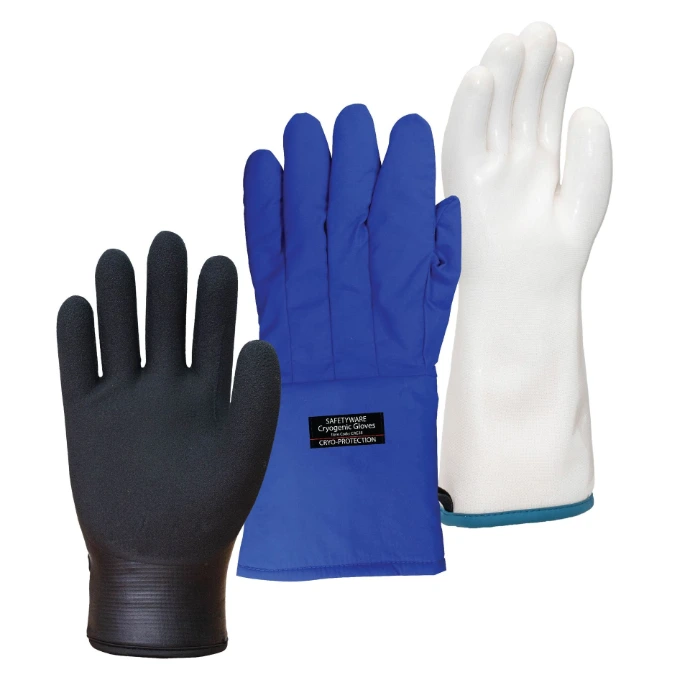
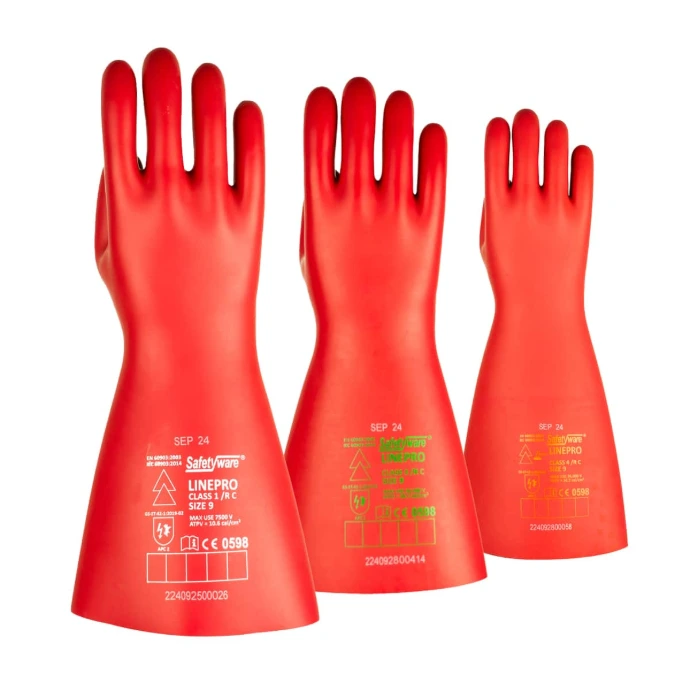
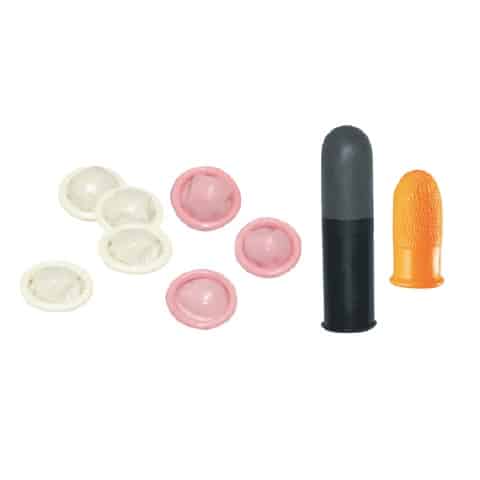
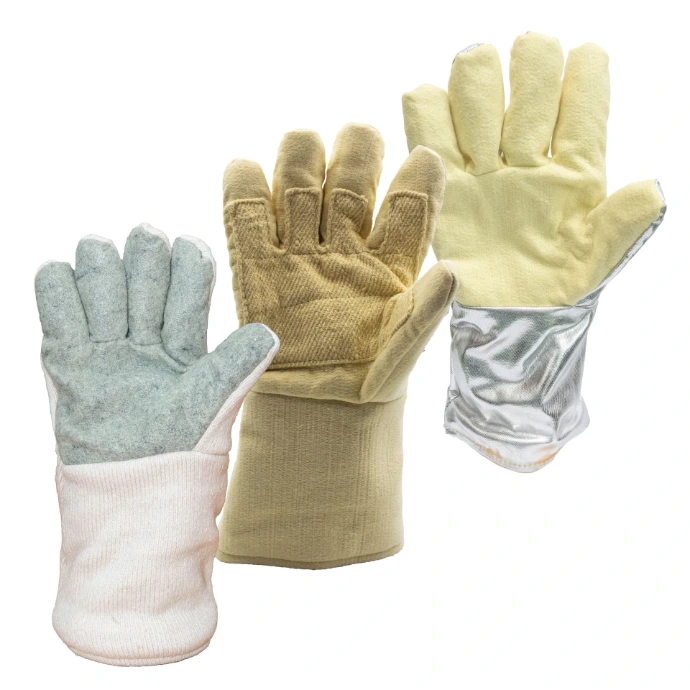
Electrical insulating gloves, heat- and cold-resistant gloves, ESD and cleanroom gloves, finger protection and other specialist options for controlled work environments.
Assess cuts, punctures, abrasion, impact, chemicals, heat, cold, electrical energy, static discharge, biological contamination and wet or oily handling.
Check applicable EN 388, EN ISO 374, EN 407, EN 511, EN 60903, ANSI/ISEA or other ratings, along with the manufacturer's intended use.
Review coating, liner, thickness, cuff style, sleeve overlap, chemical compatibility, breakthrough data and whether hand-only or forearm coverage is required.
Test representative sizes with the real tools and materials. Confirm that workers can grip, operate controls and complete the task without removing the glove.
Gloves are one layer of control. Singapore workplaces should first consider elimination, substitution, guarding, isolation and safe work procedures before addressing residual risk with task-appropriate PPE.
Start with the risk assessment, then compare the glove's material, coating, performance marking, cuff length, grip, dexterity and size with the actual task and exposure duration.
EN 388 compares mechanical risks such as abrasion, cut, tear and puncture. The ISO 13997 cut result is commonly shown as a letter from A to F. Check the full marking and task needs rather than relying on one number.
Use the chemical SDS and glove manufacturer's compatibility or permeation information. Consider concentration, temperature, splash versus immersion, breakthrough time, cuff length and the need for dexterity.
No. Where residual electrical shock risk exists, use correctly rated electrical insulating gloves selected and managed by competent personnel, together with compatible protectors and the site's electrical safety procedures.
Add suitable sleeves when the risk assessment identifies exposure beyond the glove cuff, such as sharp edges, heat, sparks or abrasion along the wrist and forearm. Ensure the sleeve and glove overlap appropriately.
Safety gloves, gauntlets, arm sleeves and specialist hand protection for cuts, chemicals, heat, cold, impact, electrical work, ESD control, cleanrooms and general handling across Singapore workplaces.
Select hand protection by the actual exposure, contact duration, surface handled, required grip, cuff coverage and dexterity—not by glove material or colour alone.
Cut-resistant gloves, impact gloves, ring-mesh gloves and protective sleeves for sharp edges, metal, glass, blades, abrasive parts and selected high-impact handling tasks.
Nitrile, neoprene, PVC, natural-rubber and disposable gloves for laboratories, cleaning, chemical processing, food handling, maintenance and splash-control applications.
Knitted, PU-coated, nitrile-coated, latex-coated, leather and mechanics gloves for assembly, packing, warehousing, construction, maintenance and routine handling.
Electrical insulating gloves, heat- and cold-resistant gloves, ESD and cleanroom gloves, finger protection and other specialist options for controlled work environments.
Assess cuts, punctures, abrasion, impact, chemicals, heat, cold, electrical energy, static discharge, biological contamination and wet or oily handling.
Check applicable EN 388, EN ISO 374, EN 407, EN 511, EN 60903, ANSI/ISEA or other ratings, along with the manufacturer's intended use.
Review coating, liner, thickness, cuff style, sleeve overlap, chemical compatibility, breakthrough data and whether hand-only or forearm coverage is required.
Test representative sizes with the real tools and materials. Confirm that workers can grip, operate controls and complete the task without removing the glove.
Gloves are one layer of control. Singapore workplaces should first consider elimination, substitution, guarding, isolation and safe work procedures before addressing residual risk with task-appropriate PPE.
Start with the risk assessment, then compare the glove's material, coating, performance marking, cuff length, grip, dexterity and size with the actual task and exposure duration.
EN 388 compares mechanical risks such as abrasion, cut, tear and puncture. The ISO 13997 cut result is commonly shown as a letter from A to F. Check the full marking and task needs rather than relying on one number.
Use the chemical SDS and glove manufacturer's compatibility or permeation information. Consider concentration, temperature, splash versus immersion, breakthrough time, cuff length and the need for dexterity.
No. Where residual electrical shock risk exists, use correctly rated electrical insulating gloves selected and managed by competent personnel, together with compatible protectors and the site's electrical safety procedures.
Add suitable sleeves when the risk assessment identifies exposure beyond the glove cuff, such as sharp edges, heat, sparks or abrasion along the wrist and forearm. Ensure the sleeve and glove overlap appropriately.
Safetyware Group, with a legacy dating back to 1983 as the pioneer rubber gloves manufacturer in Malaysia, continues to lead the industry in hand protection. Originally established as Leader Rubber Products Sdn. Bhd., the company has evolved into Safetyware Group Berhad, offering the widest range of gloves available in the market today. Our collection of hand protection solutions includes chemical-resistant, cut-resistant, disposable, heat-resistant, and electrical insulation gloves. We also provide specialized gloves for mechanics and tradesmen, ensuring that every need is met. Our gloves combine durability, comfort, and optimal safety, protecting hands in any work environment. That’s why our hand protection solutions are trusted by thousands of customers in Asia Pacific and beyond.