
This guide explains the essential PPE for the logistics industry in Singapore, common workplace hazards, and practical tips for selecting suitable protective equipment.
Why PPE Is Important in the Logistics Industry
- Falling cartons and pallets
- Forklift and pallet truck traffic
- Slips, trips, and falls
- Sharp packaging materials
- Heavy manual lifting
- Noise from machinery
- Dust exposure
- Outdoor heat and UV exposure
Although modern warehouses use automation, workers still perform many manual tasks. Therefore, employers should conduct regular risk assessments and provide suitable PPE for each job role.
Common Hazards in Logistics Operations
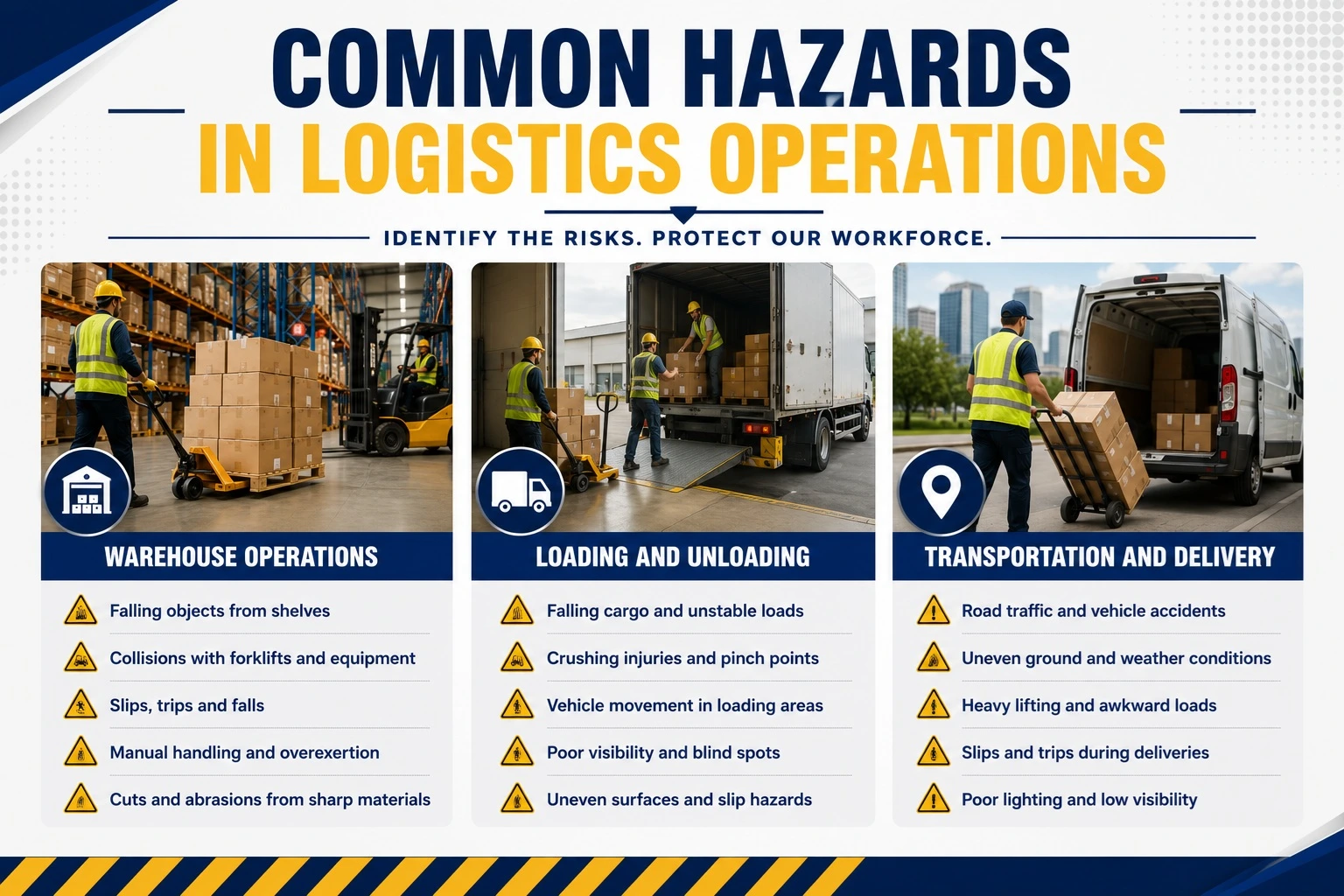
Warehouse Operations
- Falling objects
- Foot injuries
- Hand cuts
- Muscle strains
- Collisions with forklifts
- Slip hazards
Furthermore, long working hours increase fatigue, which may contribute to workplace accidents.
Loading and Unloading Activities
Loading bays remain one of the busiest areas in logistics facilities. Workers frequently handle heavy goods while vehicles move nearby.
- Crushing injuries
- Pinch points
- Falling cargo
- Vehicle movement
- Uneven surfaces
Therefore, suitable PPE becomes essential before entering these work zones.
Transportation and Delivery
Delivery personnel work both indoors and outdoors. They often lift parcels, operate vehicles, and walk on uneven surfaces. Additionally, poor weather and limited visibility can increase accident risks.
Essential PPE for Logistics Workers
1. Safety Shoes
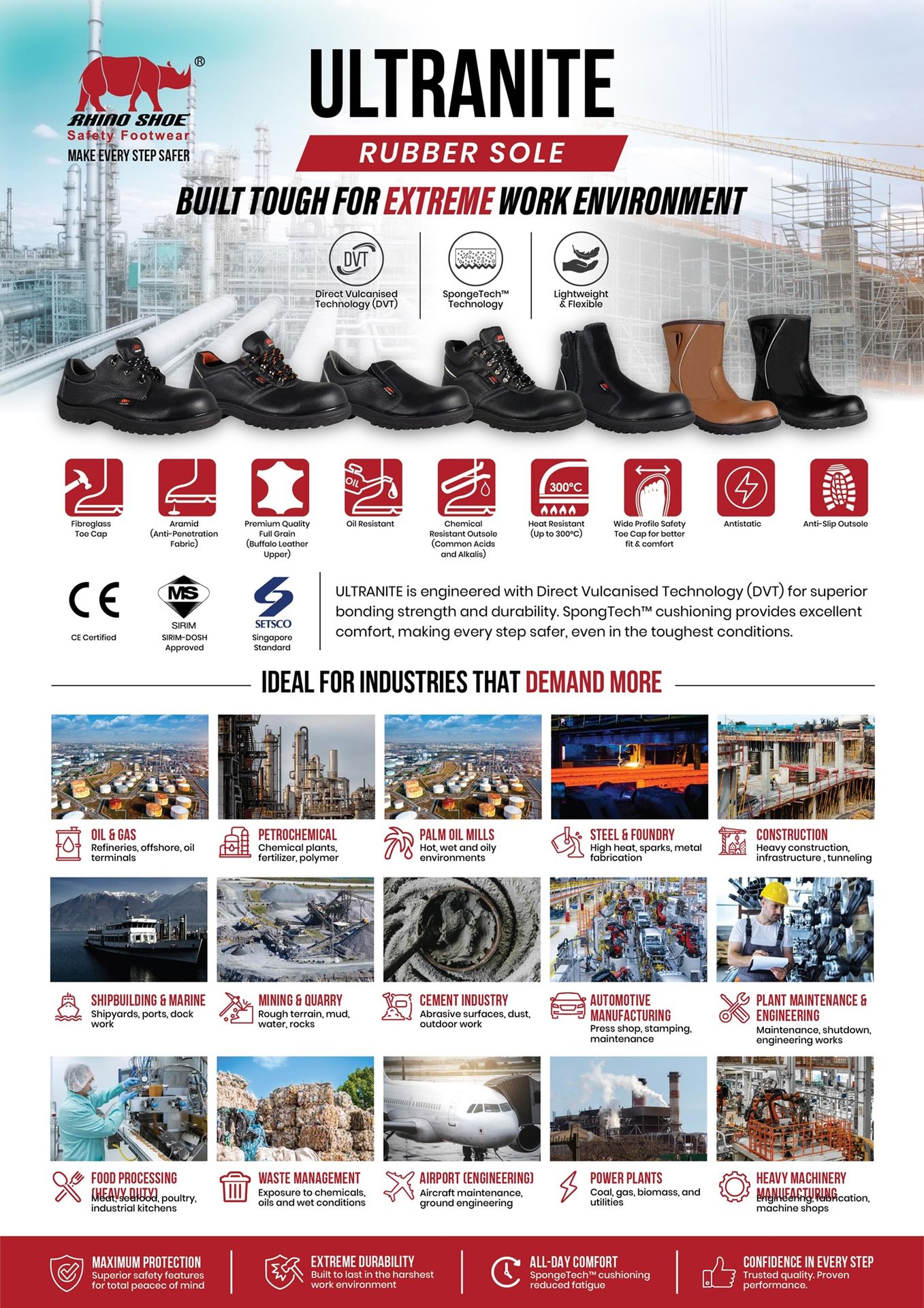
- Heavy cartons
- Pallets
- Steel cages
- Roll containers
- Machinery
- Falling objects
- Compression injuries
- Puncture hazards
- Slips on wet floors
- Steel or composite toe cap
- Slip-resistant outsole
- Oil-resistant sole
- Anti-static protection
- Comfortable cushioning for long shifts
2. Safety Gloves
Different logistics tasks require different glove types. Common glove options include:
- Carton handling PU-coated gloves, cotton gloves
- General warehouse work Nitrile-coated gloves
- Sharp packaging Cut-resistant gloves
- Cold storage Thermal insulated gloves
- Abrasions
- Cuts
- Splinters
- Blisters
Examples include:
| Work Activity | Recommended Gloves |
|---|---|
| Carton handling | PU-coated gloves |
| General warehouse work | Nitrile-coated gloves |
| Handling sharp materials | Cut-resistant gloves |
| Cold storage operations | Thermal insulated gloves |
3. High-Visibility Safety Vest
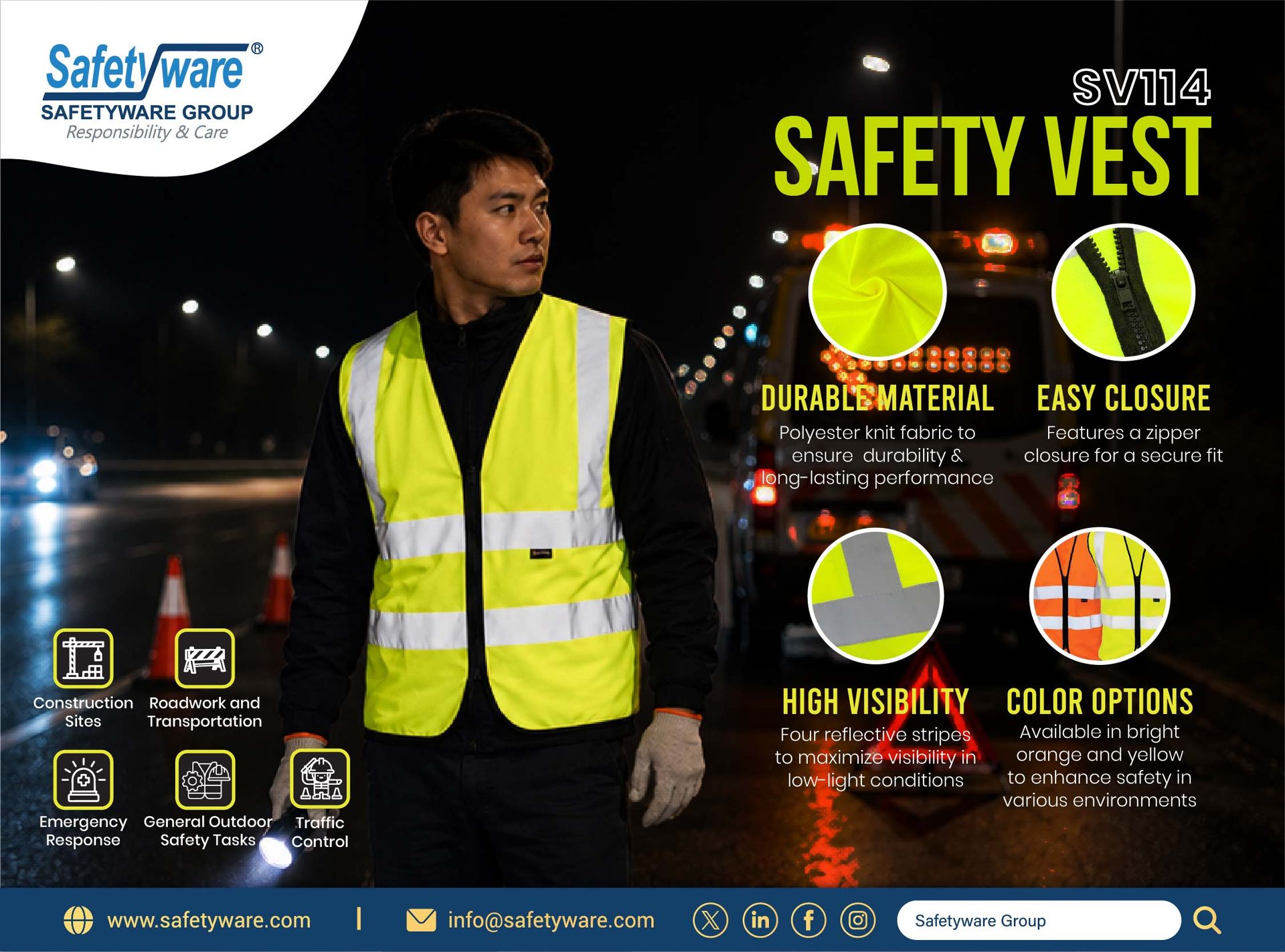
Forklifts and delivery vehicles constantly move within logistics facilities. Therefore, workers should remain highly visible at all times.
High-visibility safety vests help drivers identify workers quickly, especially in:
- Warehouses
- Loading bays
- Distribution centres
- Outdoor logistics yards
- Container terminals
Bright fluorescent colours with reflective tape significantly improve worker visibility.
4. Safety Helmet
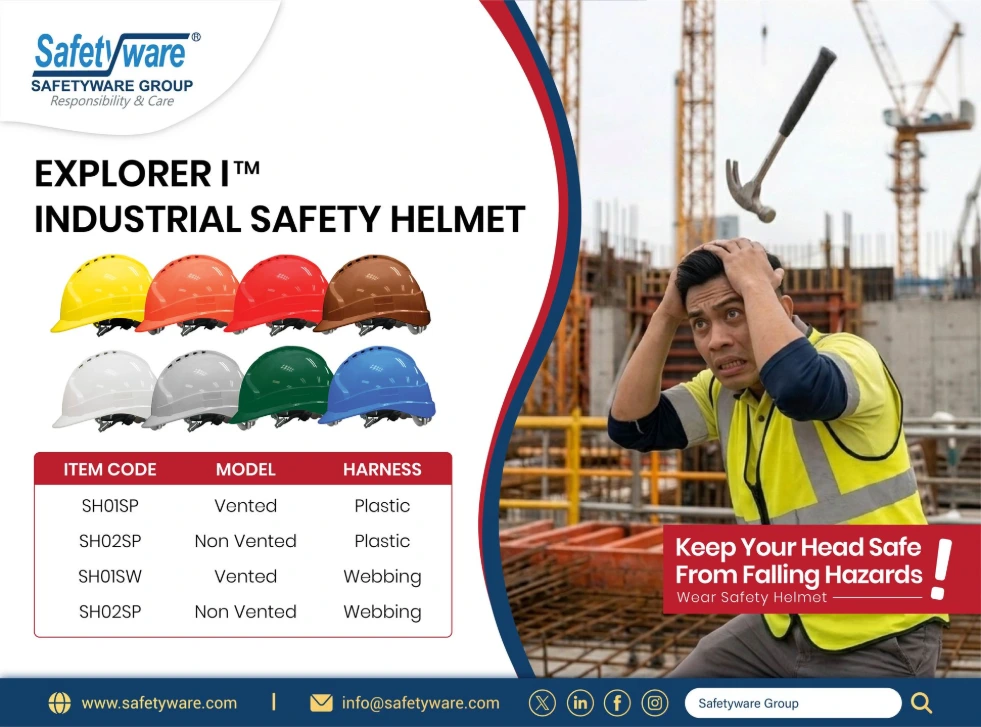
- Falling goods
- Overhead storage
- Racking maintenance
- Loading operations
- Construction activities within logistics facilities
Industrial safety helmets provide impact protection against head injuries.
5. Safety Glasses
Eye injuries may occur during maintenance or packaging activities.
- Pallet repairs
- Strapping removal
- Stretch wrapping
- Wood cutting
- Maintenance work
- Flying particles
- Dust
- Plastic straps
- Splinters
6. Hearing Protection
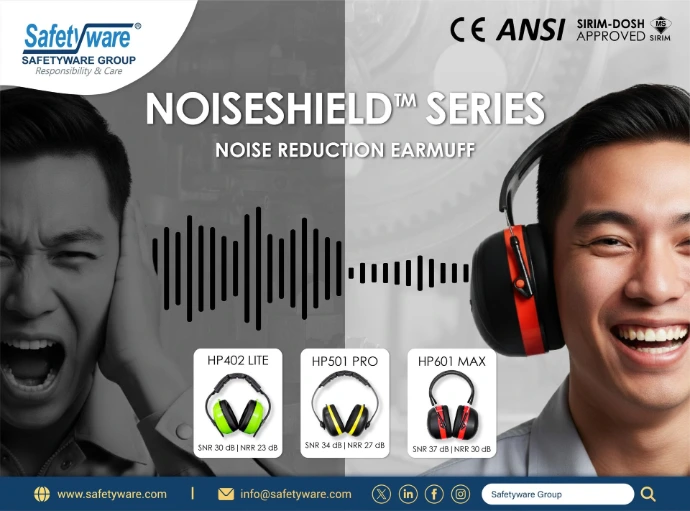
- Distribution centres
- Automated warehouses
- Loading docks
- Maintenance workshops
Earplugs or earmuffs help reduce long-term hearing damage.
7. Respiratory Protection
- Dusty warehouses
- Packaging materials
- Bulk powder handling
- Cleaning operations
Suitable respirators help protect workers from inhaling harmful airborne contaminants.
PPE Recommendations by Logistics Job Role
| Job Role | Recommended PPE |
|---|---|
| Warehouse Operator | Safety shoes, gloves, safety vest |
| Forklift Operator | Safety shoes, high-visibility vest, helmet (where required) |
| Delivery Driver | Safety shoes, safety vest, gloves |
| Storekeeper | Safety shoes, gloves |
| Loading Bay Personnel | Safety shoes, gloves, helmet, safety vest |
| Container Loading Crew | Safety shoes, helmet, gloves, safety vest |
| Cold Storage Worker | Thermal gloves, insulated safety footwear, cold-weather clothing |
Choosing the Right Safety Shoes for Logistics
- Lightweight construction
- Comfortable cushioning
- Slip-resistant outsole
- Breathable upper
- Durable materials
- EN ISO 20345 certified protection
Choosing Suitable Gloves
- Grip requirements
- Abrasion resistance
- Cut protection
- Dexterity
- Breathability
- Comfort
PPE Inspection and Maintenance
- Inspect PPE regularly
- Replace damaged equipment immediately
- Keep PPE clean
- Train employees on proper use
- Store equipment correctly
Workers should also report damaged PPE promptly to prevent unnecessary risks.
Build a Strong Safety Culture Through Training
PPE works best when workers understand how to use it correctly. Therefore, employers should provide regular safety training covering:
- Correct PPE selection
- Proper fitting
- Daily inspection
- Equipment limitations
- Cleaning procedures
- Replacement schedules
Moreover, refresher training reinforces safe work habits and keeps safety awareness high.
Protect Your Logistics Workforce with the Right PPE
Whether you manage a warehouse, distribution centre, or transport fleet, choosing the right PPE helps protect your workforce while supporting operational efficiency.
Contact Our Sales Team
Our team will be happy to help you select the right safety equipment for your business.
Frequently asked questions
Most logistics workers require safety shoes, gloves, and high-visibility vests. Depending on the work environment, they may also need helmets, safety glasses, hearing protection, or respirators.
Employers should conduct a workplace risk assessment. Where foot injury risks exist, workers should wear suitable safety shoes with toe protection and slip-resistant soles.
High-visibility clothing helps forklift drivers identify pedestrians quickly. Consequently, it reduces collision risks in busy warehouse environments.
PU-coated gloves work well for carton handling. Nitrile-coated gloves provide excellent grip, while cut-resistant gloves protect against sharp packaging materials.
Workers should wear safety helmets whenever overhead hazards, falling objects, or lifting operations create a risk of head injuries.
Workers should inspect PPE before each use. Additionally, employers should conduct regular inspections and replace damaged equipment immediately.
Employers should first complete a workplace risk assessment. Next, they should select comfortable PPE that meets recognised safety standards and matches the specific job tasks.