Singapore’s manufacturing industry includes electronics, chemicals, pharmaceuticals, food production, precision engineering, metalworking, and many other specialised sectors.
Workers in these environments may face moving machinery, sharp materials, loud noise, chemical splashes, airborne contaminants, heat, sparks, and falling objects. Therefore, every manufacturer needs suitable safety controls.
Personal protective equipment, or PPE, creates an important barrier between workers and workplace hazards. However, employers should not use PPE as their only safety measure.
Instead, companies should first eliminate hazards wherever possible. Next, they should introduce engineering controls, safe procedures, training, and proper supervision. Finally, PPE should protect workers from the risks that remain.
This guide discusses PPE for the manufacturing industry in Singapore. It also explains how companies can select suitable equipment and build an effective PPE programme.
What PPE Do Manufacturing Workers Need?
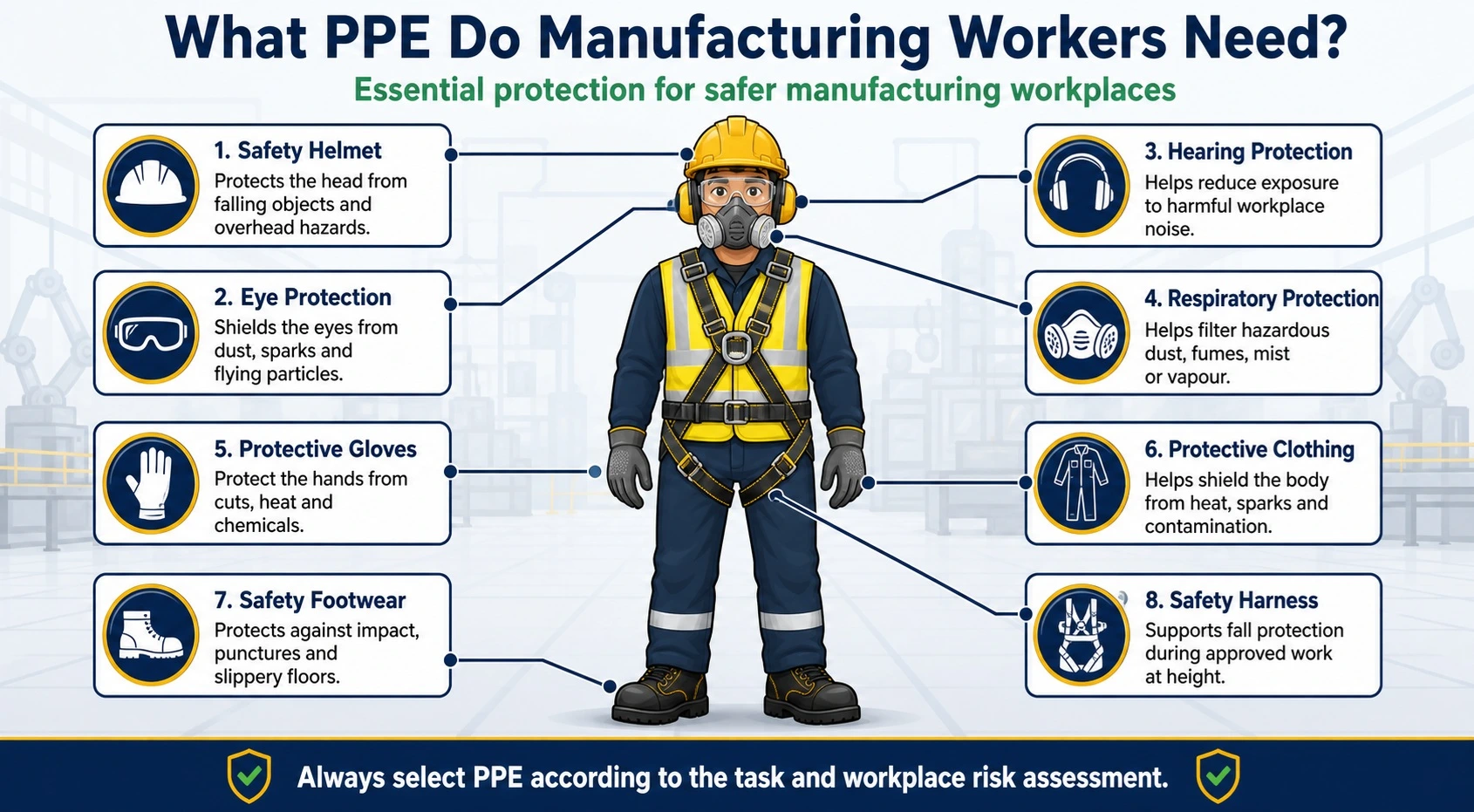
Manufacturing workers commonly need safety glasses, gloves, safety footwear, hearing protection, respirators, helmets, protective clothing, and fall-protection equipment.
However, no single PPE list suits every manufacturing workplace. Companies must choose PPE according to their machinery, materials, processes, exposure levels, and risk assessments.
Why Is PPE Important for Manufacturing Industries?
Manufacturing processes often place workers close to machines, tools, chemicals, vehicles, and high-temperature equipment. Consequently, even a small mistake can cause a serious injury.
Suitable PPE can reduce the severity of workplace exposure. For example, safety glasses can stop flying particles from reaching a worker’s eyes.
Likewise, cut-resistant gloves can protect hands during material handling. Hearing protectors can also reduce harmful noise exposure in loud production areas.
PPE supports manufacturers in several important ways.
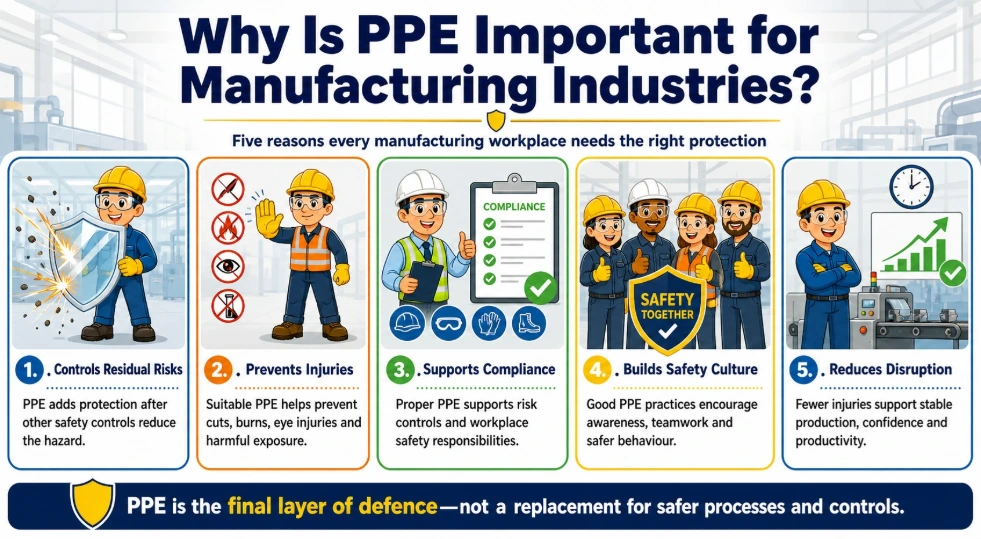
1. It Protects Workers From Residual Risks
Employers should control hazards at their source whenever possible. Nevertheless, some risks may remain after they install guards, ventilation, barriers, or other controls.
Therefore, PPE provides an additional layer of protection. It becomes especially important during maintenance, cleaning, repairs, material transfers, and emergency situations.
2. It Helps Prevent Occupational Injuries
Manufacturing workers can suffer cuts, burns, eye injuries, foot injuries, hearing damage, and respiratory problems.
However, correctly selected PPE can reduce exposure to these hazards. Proper PPE can also limit the consequences when unexpected incidents occur.
3. It Supports Workplace Safety Compliance
Singapore’s Workplace Safety and Health Act requires employers to protect their employees’ safety and health, as far as reasonably practicable.
Furthermore, the WSH Risk Management Regulations require companies to assess workplace risks and implement suitable controls.
Companies should always base their PPE requirements on documented risk assessments. They should also consider applicable regulations, Singapore Standards, and equipment instructions.
4. It Builds a Stronger Safety Culture
A well-managed PPE system shows that the company takes worker safety seriously. As a result, employees may become more aware of workplace hazards.
However, companies must support their PPE rules with training and supervision. Simply distributing safety equipment will not create a strong safety culture.
5. It Can Reduce Operational Disruption
Workplace injuries can interrupt production, affect employee morale, and create additional costs. Therefore, preventing injuries can support more stable business operations.
Moreover, a safe workplace can improve employee confidence. Workers can focus better when they have suitable equipment and clear safety procedures.
Common Types of PPE Used in Manufacturing
Different manufacturing tasks create different hazards. Therefore, employers must match each PPE item to the worker’s actual exposure.
1. Eye and Face Protection
Safety glasses, goggles, and face shields protect workers from flying particles, sparks, dust, and liquid splashes.
- Manufacturers commonly use them during:
- Grinding, cutting, and drilling
- Chemical handling and mixing
- Machining and polishing
- Welding and brazing
- High-pressure cleaning
- Maintenance and repair work
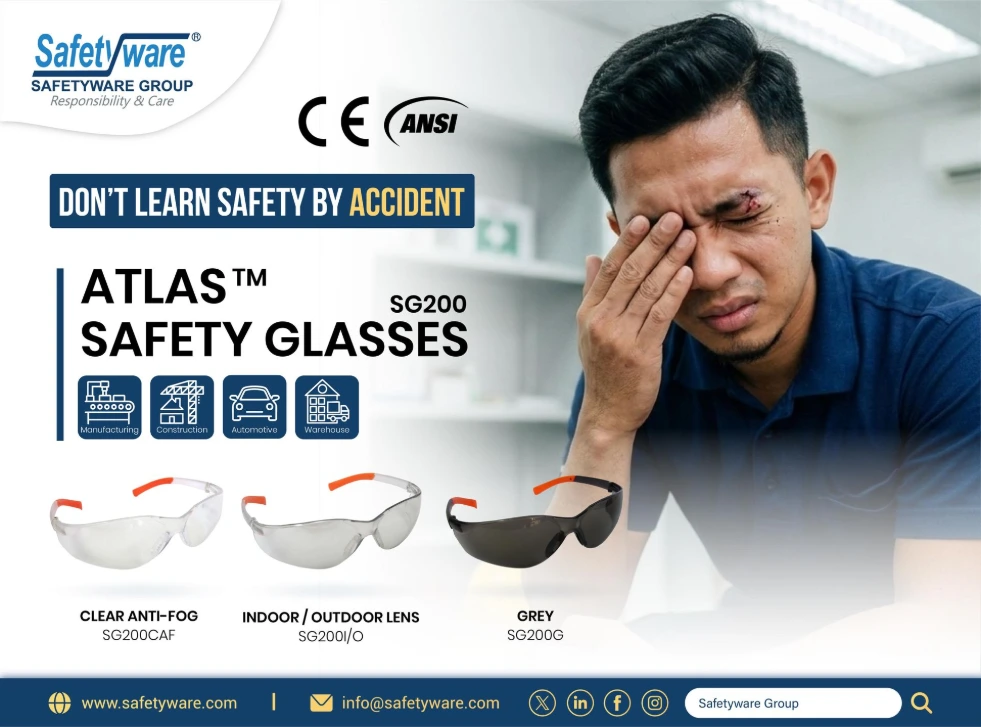
For example, safety glasses may suit general impact hazards. However, sealed goggles usually offer better protection against fine dust and chemical splashes.
A face shield provides wider facial coverage. Nevertheless, workers may still need safety glasses or goggles underneath it.
Welding work also requires suitable welding helmets or filters. These products protect workers from intense light, sparks, infrared radiation, and ultraviolet radiation.
2. Hearing Protection
Presses, grinders, compressors, stamping machines, and production lines can create harmful noise. Over time, repeated exposure may cause permanent hearing loss.
Common hearing protectors include:
- Disposable earplugs
- Reusable earplugs
- Banded earplugs
- Earmuffs
- Communication-enabled hearing protectors
Employers should first measure workplace noise exposure. Next, they should select hearing protection with a suitable attenuation rating.
However, excessive attenuation may prevent workers from hearing alarms or approaching vehicles. Therefore, companies must balance protection with situational awareness.
3. Respiratory Protective Equipment
Respiratory protective equipment protects workers from harmful airborne contaminants. These hazards may include dust, fumes, gases, vapours, mists, and biological particles.
Common options include:
- Disposable particulate respirators
- Reusable half-face respirators
- Full-face respirators
- Powered air-purifying respirators
- Supplied-air breathing equipment
However, a disposable particulate respirator cannot protect against every gas or vapour. Employers must match each filter or cartridge to the identified contaminant.
Tight-fitting respirators also require proper fit testing. In addition, workers should perform a seal check whenever they wear the respirator.
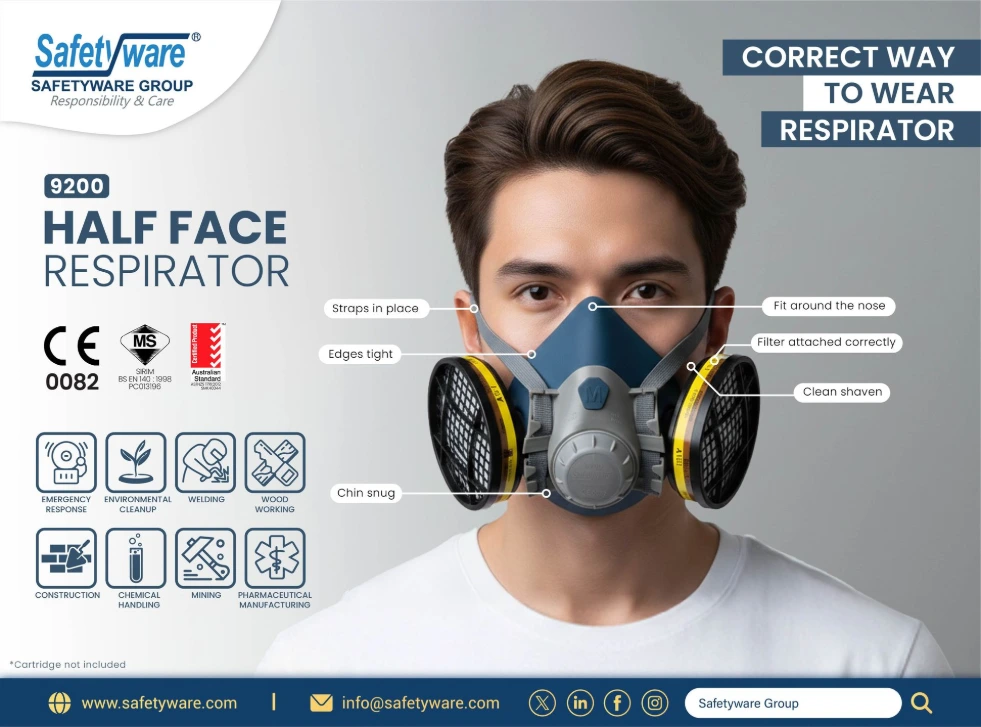
Facial hair may prevent a secure seal. Therefore, employers should address facial hair requirements through their respiratory protection programme.
4. Hand and Arm Protection
Workers often handle sharp components, chemicals, tools, hot materials, and unfinished products. Consequently, hand injuries remain a major manufacturing concern.
Manufacturers may use:
- Cut-resistant gloves
- Chemical-resistant gloves
- Heat-resistant gloves
- Impact-resistant gloves
- Electrical insulating gloves
- Disposable examination gloves
No glove protects against every hazard. Therefore, employers should review chemical compatibility, cut performance, heat resistance, dexterity, and breakthrough time.
Gloves can also create entanglement risks near rotating machinery. Consequently, workers should follow the machine’s risk assessment and safe operating procedure.
5. Safety Footwear
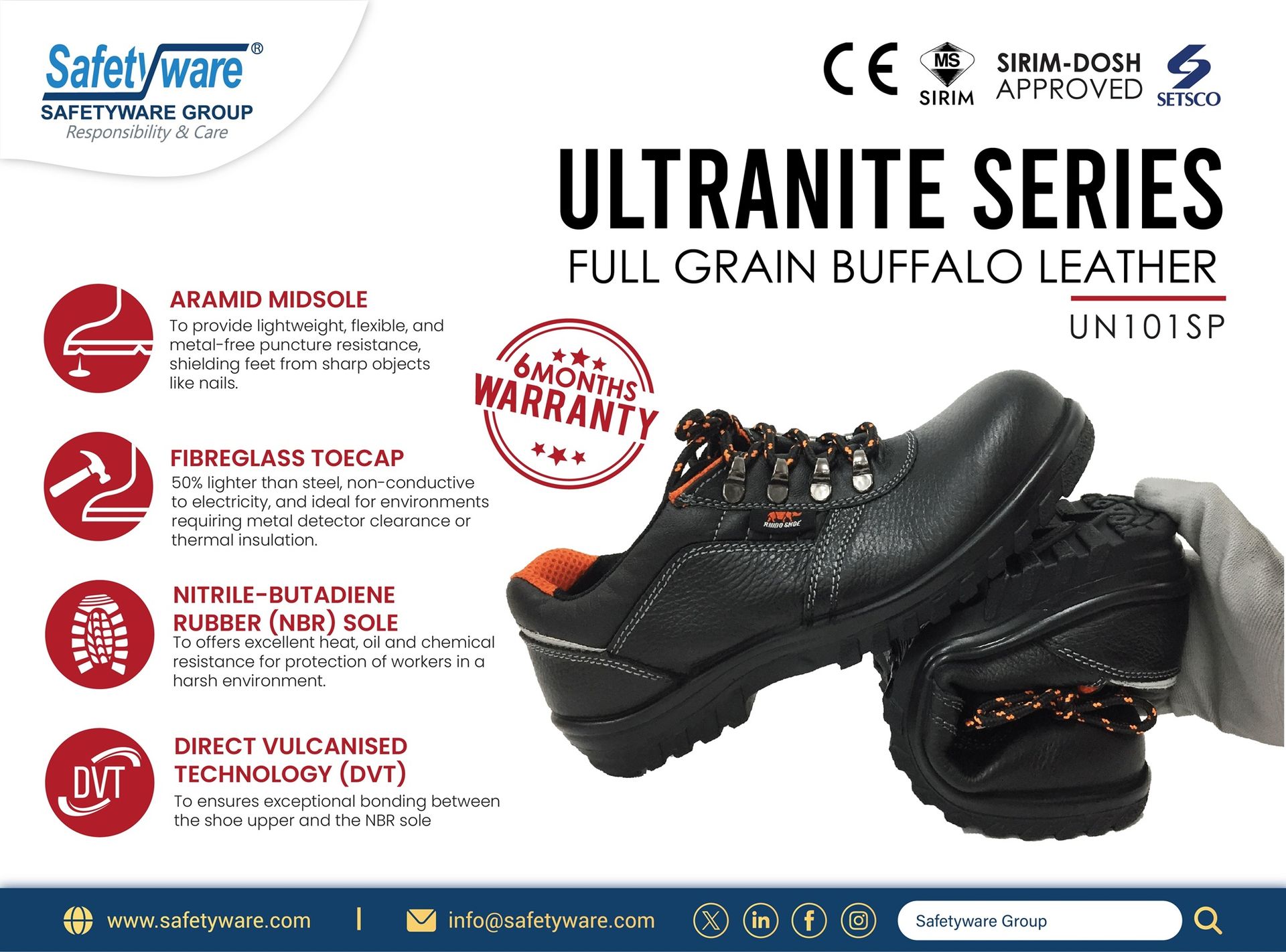
Safety footwear protects workers against falling objects, sharp debris, slippery surfaces, chemicals, heat, and crushing hazards.
Suitable features may include:
- Protective toe caps
- Puncture-resistant midsoles
- Slip-resistant outsoles
- Chemical-resistant materials
- Heat-resistant soles
- Antistatic properties
- Metatarsal protection
For example, food-processing workers may need slip-resistant footwear for wet floors. Meanwhile, metalworking employees may need puncture and impact protection.
Comfort also matters because workers may stand for long periods. Therefore, employers should consider fit, support, weight, and Singapore’s warm working conditions.
6. Protective Clothing
Protective clothing shields the body from heat, chemicals, sparks, flames, dirt, and contamination.
Common examples include:
- Industrial coveralls
- Chemical-resistant suits
- Chemical aprons
- Flame-resistant garments
- Welding jackets and sleeves
- Disposable protective clothing
- Cleanroom garments
- High-visibility clothing
Ordinary uniforms may not provide chemical or flame protection. Therefore, companies must verify each garment’s materials, performance level, and intended use.
Moreover, workers should avoid loose clothing near moving machinery. Loose garments can become trapped in rollers, spindles, or other moving components.
7. Head Protection
Industrial safety helmets protect workers from falling objects, flying materials, and accidental contact with fixed structures.
Workers may require helmets in:
- Warehouses
- Loading and unloading zones
- Heavy engineering facilities
- Maintenance areas
- Locations with overhead work
- Areas near suspended loads
However, a bump cap cannot replace an industrial safety helmet. Bump caps only provide limited protection against minor contact with stationary objects.
8. Fall-Protection Equipment
Maintenance teams may work above machinery, storage systems, roofs, or production platforms. Therefore, some tasks require fall-protection equipment.
Common equipment includes:
- Full-body harnesses
- Travel-restraint systems
- Energy-absorbing lanyards
- Self-retracting lifelines
- Connectors and anchor systems
However, a harness alone cannot create a safe work-at-height system. Employers must also consider anchor strength, fall clearance, rescue planning, and worker training.
9. High-Visibility Clothing
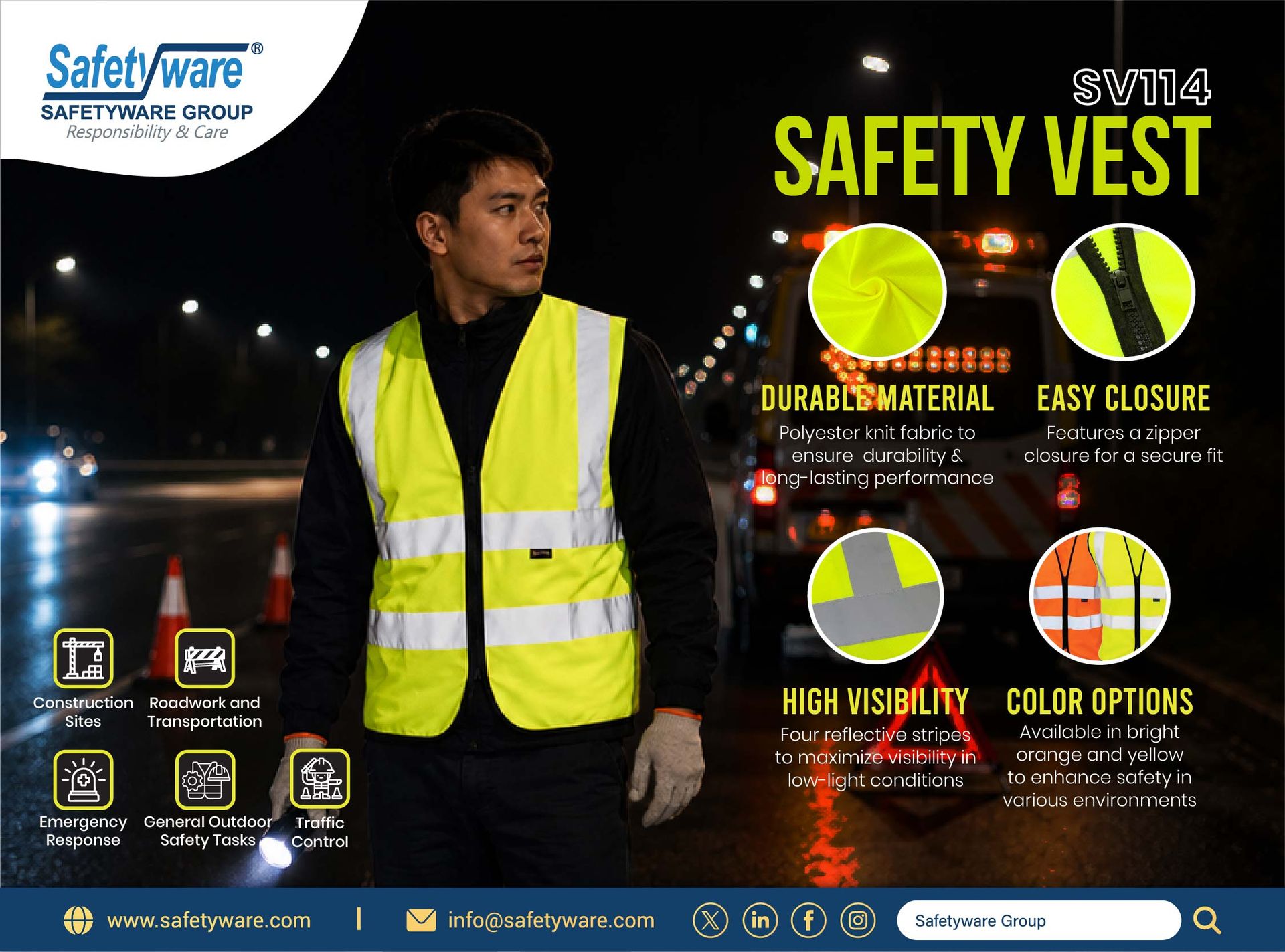
High-visibility garments help vehicle operators notice pedestrians. Therefore, they can support safety in warehouses, loading bays, and forklift operating areas.
Nevertheless, visibility clothing cannot replace traffic controls. Manufacturers should also provide pedestrian routes, barriers, speed limits, warning signs, and adequate lighting.
How to Select the Correct and Suitable PPE
Correct PPE selection starts with a task-specific risk assessment. Employers should never choose PPE only because another company uses the same product.
Instead, they should follow these steps.
Step 1: Identify the Hazards
First, examine each job, machine, substance, and work area. Consider normal production, cleaning, maintenance, repairs, and emergency conditions.
Step 2: Apply the Hierarchy of Control
Next, determine whether the company can eliminate or reduce the hazard. For example, a manufacturer may install extraction ventilation to control welding fumes.
Afterward, PPE can protect workers from any remaining exposure. The WSH Council also places PPE after upstream controls in its risk-management guidance.
Step 3: Check the PPE Performance
Review the product’s protection rating, certification, limitations, and instructions. Furthermore, confirm that the PPE suits the hazard and exposure level.
Step 4: Consider Fit and Comfort
PPE must fit the individual worker. Otherwise, gaps, loose straps, pressure points, or restricted movement may reduce protection.
In addition, Singapore’s hot and humid climate can affect comfort. Therefore, employers should consider ventilation, weight, moisture management, and heat stress.
Step 5: Check Compatibility
Workers may need several PPE items at the same time. However, one product can interfere with another.
For example, safety glasses may affect a respirator’s seal. Likewise, helmet accessories may interfere with earmuffs.
Therefore, companies should conduct practical wearing trials before making large purchases.
Step 6: Plan Maintenance and Replacement
Finally, employers should check cleaning, storage, inspection, and replacement requirements. A low-cost product may create higher long-term costs if it requires frequent replacement.
Building an Effective PPE Programme
An effective PPE programme covers more than purchasing and distributing safety products.
Conduct Regular Risk Assessments
Review assessments whenever processes, chemicals, equipment, or workplace layouts change. Moreover, include non-routine work such as maintenance and shutdown activities.
Establish Clear PPE Rules
Define which PPE workers need in each area and task. Then, display clear signs at entrances, workstations, and hazard zones.
Train Every Worker
Training should explain:
- When workers must wear PPE
- Which hazards the PPE controls
- How to put it on correctly
- How to inspect it before use
- How to clean and store it
- When to replace it
- What limitations it has
Furthermore, companies should provide instructions in languages that workers understand.
Inspect and Maintain the Equipment
Supervisors should check PPE regularly. Workers should also inspect their equipment before every use.
Cracked, contaminated, expired, or damaged PPE may not offer reliable protection. Therefore, companies should replace unsuitable equipment promptly.
Keep Appropriate Records
Maintain records for PPE issuance, training, fit testing, inspections, and replacement. These records can support programme reviews and compliance checks.
Ask Workers for Feedback
Workers can identify problems involving fogging, discomfort, poor fit, heat, visibility, and restricted movement.
Consequently, their feedback can help the company improve product selection. It can also increase consistent PPE use.
Monitor and Improve the Programme
Finally, supervisors should observe PPE practices and investigate non-compliance. However, they should not assume that every case involves careless behaviour.
Poor compliance may indicate uncomfortable equipment, unclear instructions, or unsuitable product selection. Therefore, finding the actual cause can create a more effective solution.
Get Suitable PPE for Your Manufacturing Workplace
Choosing the right PPE can protect your workforce and support a safer manufacturing operation.
Our team can help you explore PPE for eye, face, hand, foot, hearing, respiratory, body, head, and fall protection.
Contact our team today to discuss your workplace hazards, operating environment, and PPE requirements.
Frequently asked questions
Requirements depend on the task and risk assessment. Common PPE includes safety glasses, gloves, safety footwear, hearing protectors, respirators, helmets, and protective clothing.
Not every area requires the same PPE. However, employers must provide suitable controls wherever workplace risks may affect workers’ safety or health.
Employers should provide suitable PPE when the risk assessment identifies it as a necessary control. They should also provide training, maintenance, and appropriate supervision.
Not necessarily. Chemical-resistant gloves and cut-resistant gloves serve different purposes. Therefore, employers must select gloves according to each identified hazard.
Replacement depends on damage, contamination, expiry dates, usage frequency, and manufacturer instructions. Companies should replace PPE whenever it can no longer provide reliable protection.
Workers need fit testing when they use tight-fitting respirators. Moreover, they should complete a seal check each time they put on the respirator.
No. Machine guards and ventilation control hazards closer to their source. PPE provides an additional defence against risks that remain after stronger controls.
Companies should provide comfortable equipment, practical training, clear rules, active supervision, and easy replacement procedures. Furthermore, worker feedback can reveal problems that reduce compliance.
Conclusion
Suitable PPE plays a critical role in Singapore’s manufacturing industry. It protects workers from residual hazards involving machinery, chemicals, noise, heat, sharp materials, and airborne contaminants.
However, effective protection requires more than issuing standard equipment. Manufacturers must assess risks, select task-specific PPE, train workers, maintain equipment, and review their programmes regularly.
With the right approach, companies can strengthen workplace safety, support compliance, and protect their most valuable resource—their people.
Disclaimer: This article provides general information. It does not replace a workplace risk assessment, professional safety advice, product instructions, or applicable Singapore legislation.